Maintaining Your Workshop Air Quality
Maintain cleaner workshop air with source collection, ventilation, filtration schedules, filter checks, and dust-safe cleanup practices.
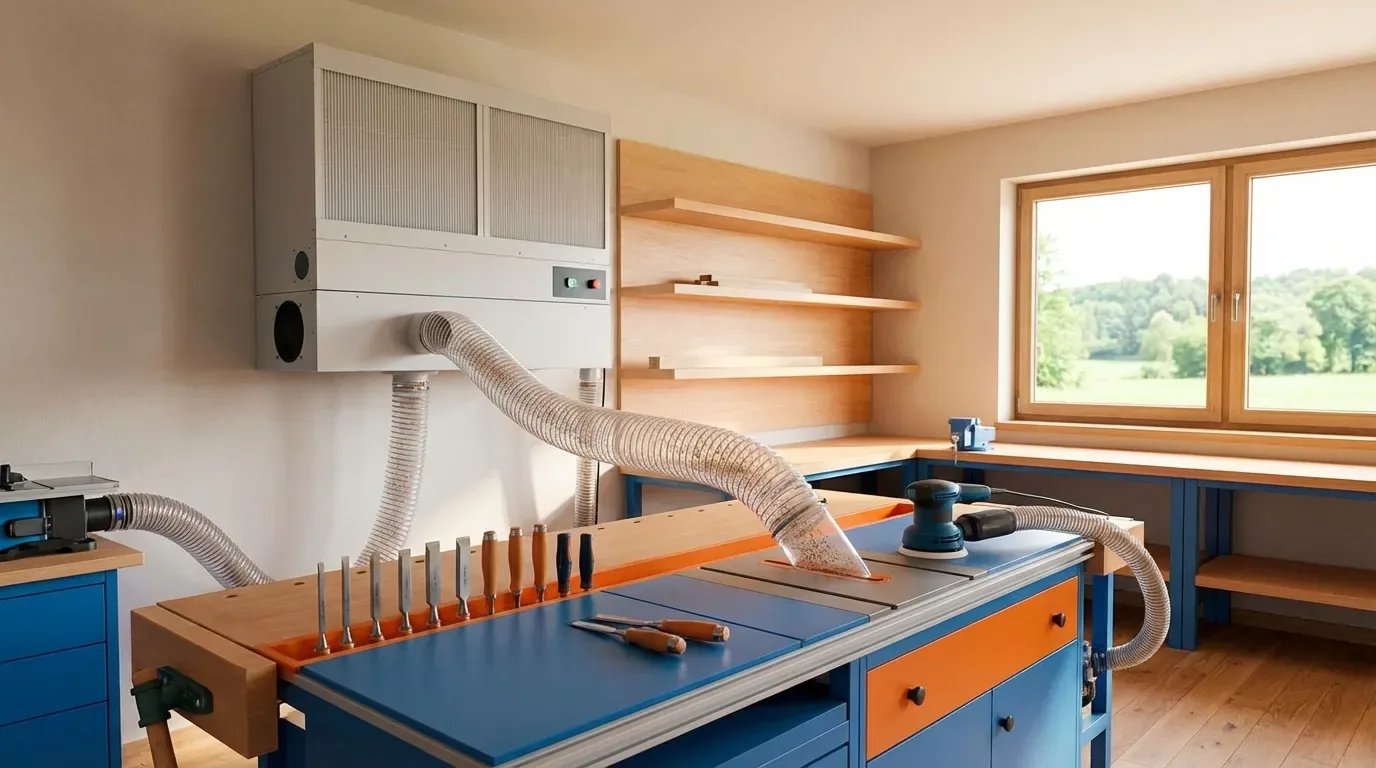
Table of Contents
- The Invisible Danger of Wood Dust
- Implementing Source Collection: The First Line of Defense
- Ambient Air Filtration: Clearing the Haze
- Personal Protective Equipment (PPE) Strategies
- Shop Layout and Airflow Optimization
- Maintenance and Long-Term Monitoring
- Pro Tips and Common Pitfalls
- Frequently Asked Questions
The Invisible Danger of Wood Dust
When we think of woodworking hazards, our minds often jump to the immediate dangers of table saw blades or the kickback from a router. However, the most persistent threat in any workshop is often the one you can’t see. Fine particulate matter, specifically particles measuring 2.5 microns or smaller (PM2.5), can remain suspended in the air for hours after you’ve finished your last cut. These microscopic fibers are small enough to bypass the body's natural defenses in the nose and throat, lodging deep within the lung tissue and potentially entering the bloodstream.
Maintaining clean air in the workshop isn't just about keeping your surfaces dust-free for a better finish; it is a fundamental requirement for long-term health. Chronic exposure to certain wood dusts, particularly hardwoods like oak or walnut, has been linked to respiratory issues, allergic reactions, and even rare forms of nasal cancer. For the hobbyist or professional spending hours in a confined space, an inadequate filtration system means your lungs are essentially acting as the primary filter for the room.
In this guide, we will break down the multi-layered approach required to achieve truly clean air. We will explore source collection, ambient filtration, and personal protection, providing you with a roadmap to transform your workshop into a safer, more professional environment. By the end of this article, you’ll understand how to calculate the airflow needs of your specific space and which tools are essential for a comprehensive dust management strategy.
Implementing Source Collection: The First Line of Defense
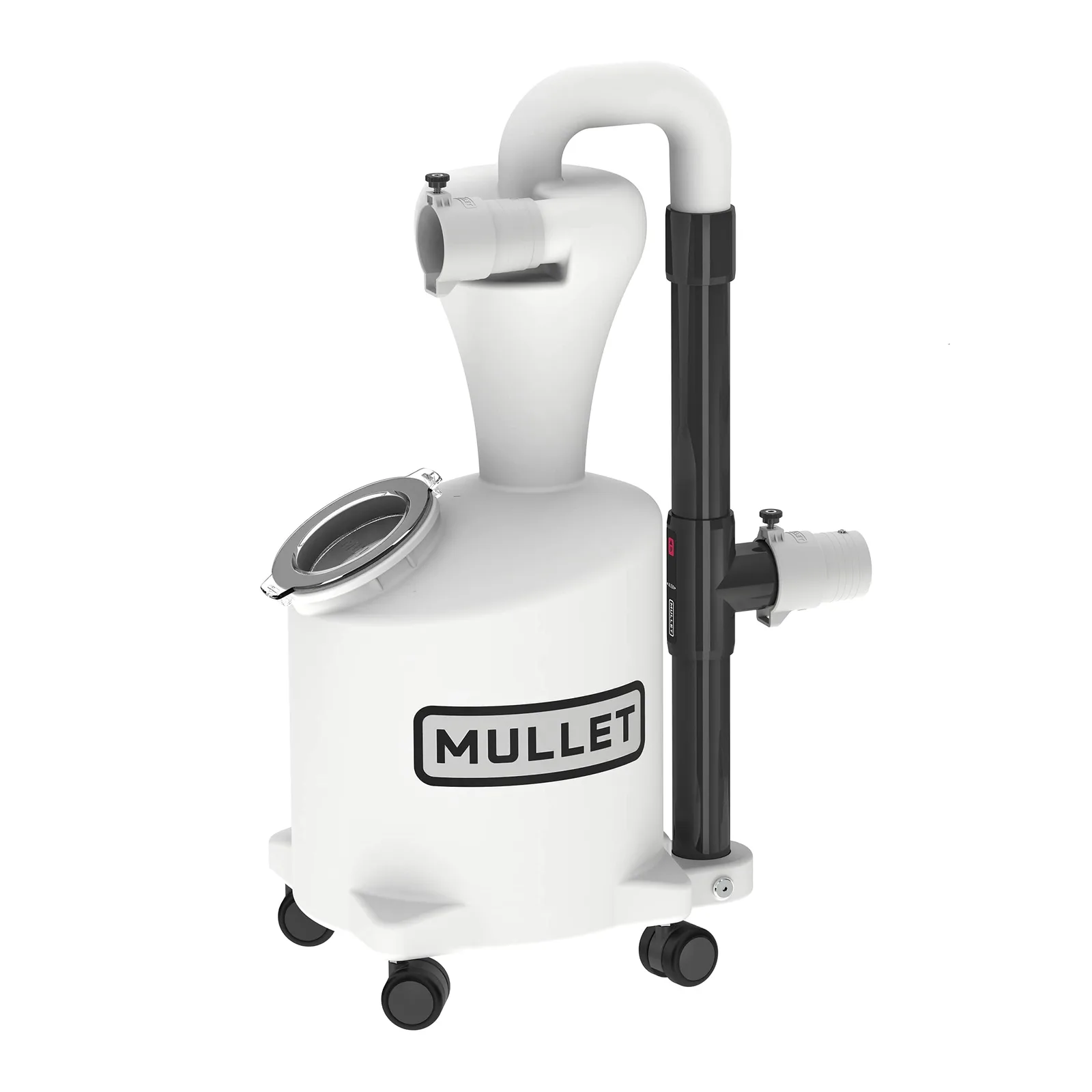
The most effective way to manage workshop dust is to capture it at the point of origin. This is known as source collection. When a blade or sander meets wood, it creates a mixture of large chips and fine flour. A high-quality dust collection system or a dedicated shop vacuum connected directly to your tool’s dust port can capture up to 90% of this debris before it ever becomes airborne. This prevents the "dust cloud" effect that occurs when particles are thrown into the room by the centrifugal force of a spinning blade.
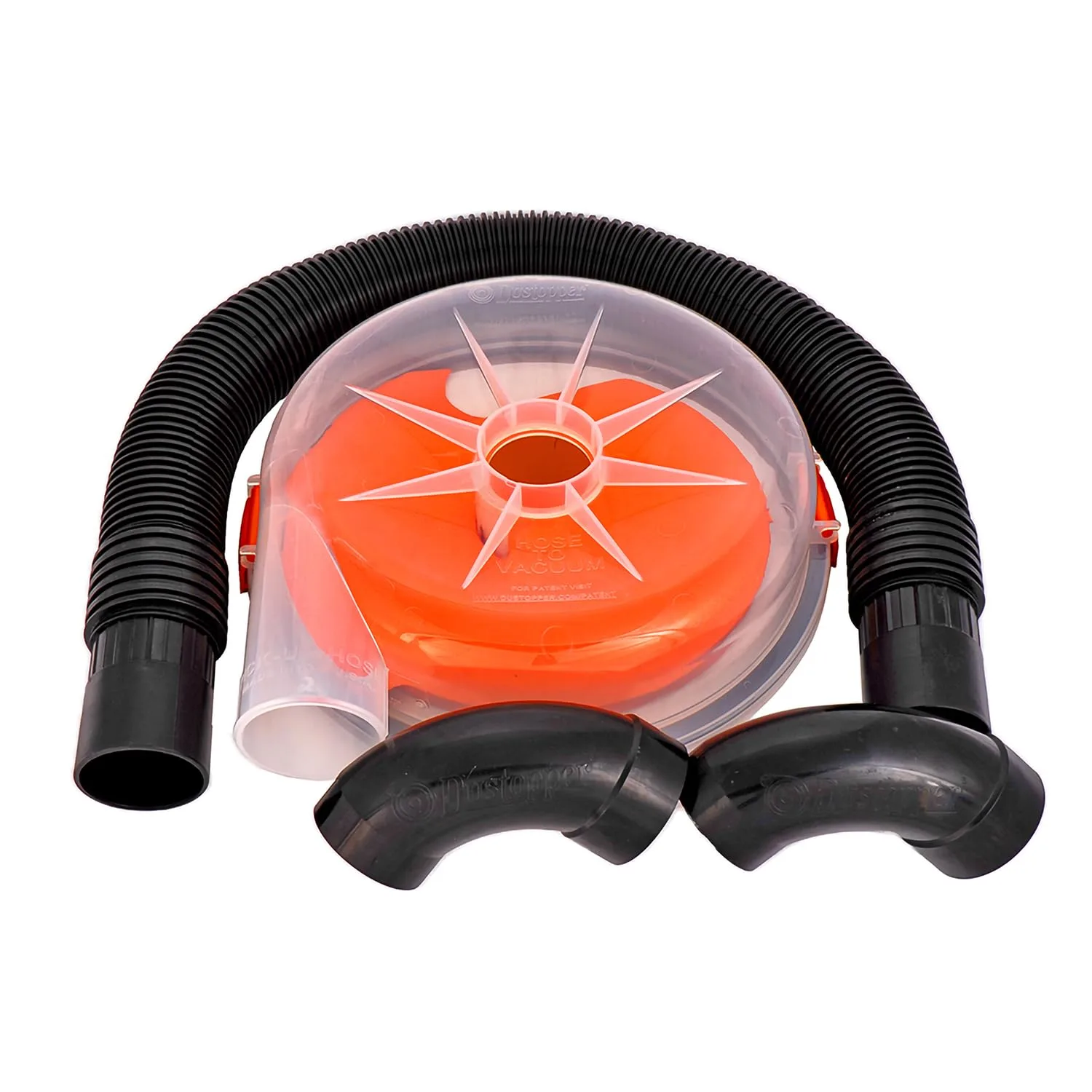
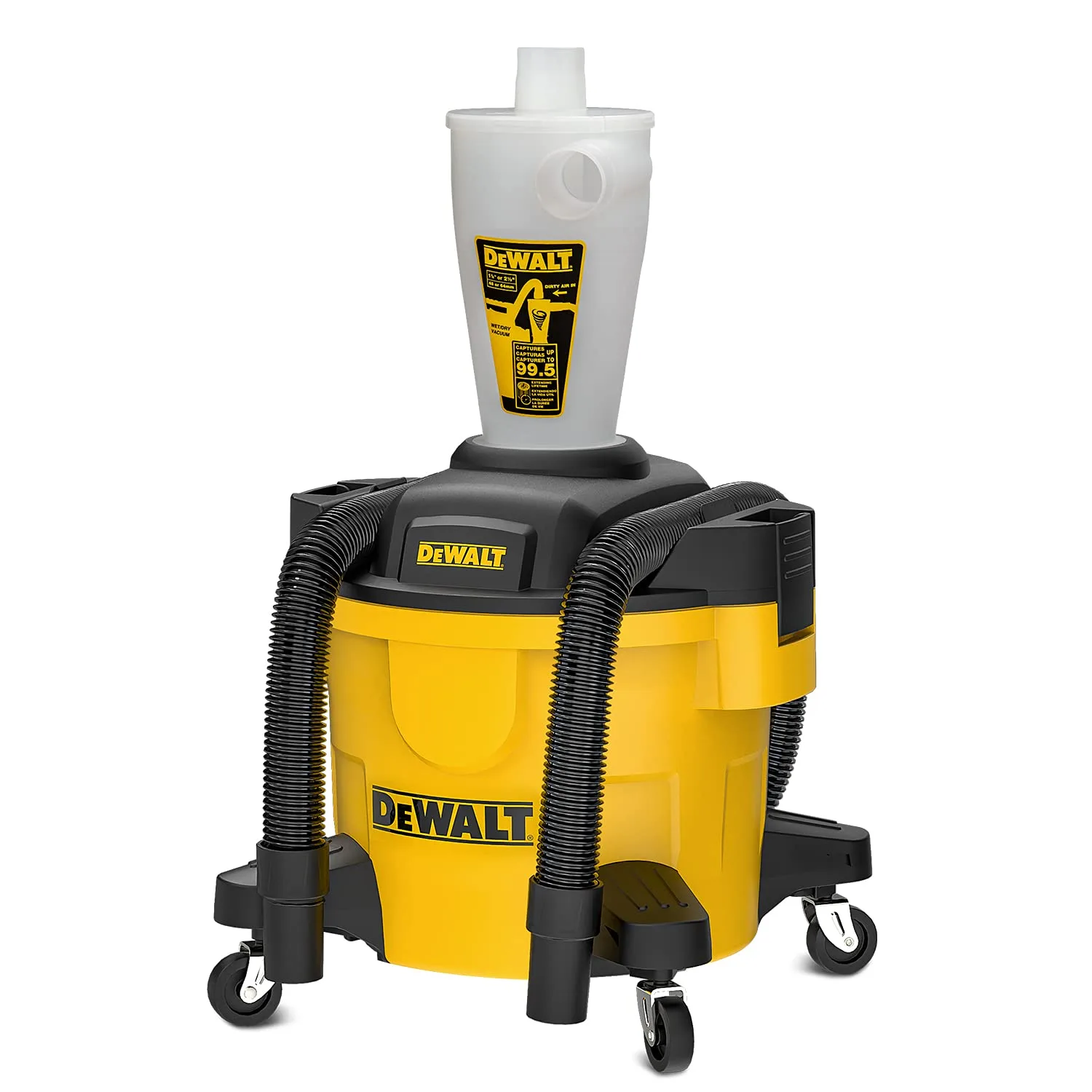
For smaller power tools like random orbit sanders, miter saws, and biscuit joiners, a standard shop vacuum equipped with a HEPA filter is often sufficient. However, the key is consistency. Many woodworkers skip the vacuum for "just one quick cut," which is exactly how fine dust accumulates over time. Utilizing tool-triggered switches can automate this process, ensuring that your vacuum turns on and off in sync with your power tool, removing the temptation to skip the extraction step.
For larger machinery like planers and table saws, a dedicated dust collector with a larger diameter hose (typically 4 inches) is necessary. These units move a higher volume of air (CFM) at a lower pressure, which is required to pull the large volume of chips produced by these machines. Without effective source collection, even the best ambient air filter will be overwhelmed, leading to a workshop that feels perpetually gritty and hazy.
The WEN 3410 3-Speed Remote-Controlled Air Filtration System is a staple for any small to mid-sized workshop looking to tackle the "invisible" dust problem. I recommend this unit specifically because it targets the fine particles that source collectors often miss. It is best for hobbyists working in two-car garages or basement shops where ventilation might be limited. The unit features a dual-filter system, with a 5-micron outer filter and a 1-micron inner filter, ensuring that the air returned to your shop is significantly cleaner than what went in.
One of the standout features is the remote control and programmable timer. You can set the unit to run for one, two, or four hours after you leave the shop, which is critical because fine dust takes time to settle. The 300/350/400 CFM settings allow you to adjust the noise level and air exchange rate based on the intensity of your work. The primary drawback is that it is not a replacement for a dust collector; it is an ambient filter. It won't stop chips from hitting the floor, but it will stop the "haze" from lingering in the air. Compared to more expensive industrial units, the WEN 3410 offers incredible value for the performance it delivers.
Ambient Air Filtration: Clearing the Haze
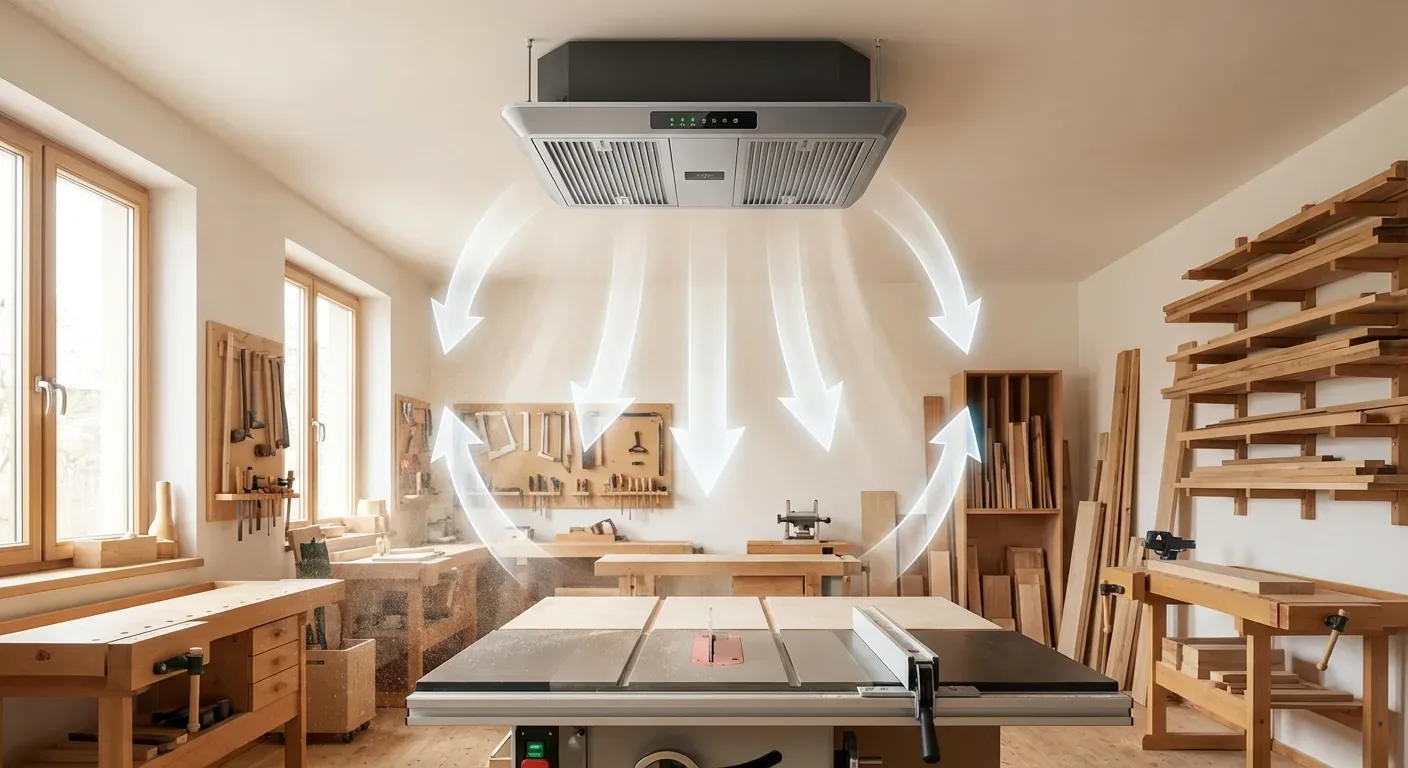
While source collection is vital, it is rarely 100% effective. Microscopic dust particles inevitably escape the shroud of a saw or the bag of a sander. This is where ambient air filtration comes into play. An ambient air filter is a ceiling-mounted unit designed to cycle the entire volume of air in your workshop through a series of fine filters. The goal is to achieve between 6 to 8 air changes per hour (ACH). This constant cycling ensures that any escaped particles are scrubbed from the air before they can settle on your lungs or your finishing projects.
To determine the size of the unit you need, calculate the total cubic footage of your shop (Length x Width x Height) and multiply that by your desired ACH (let's say 6). Divide that number by 60 to find the required CFM (Cubic Feet per Minute) rating for your filtration unit. For example, a 20' x 20' garage with 10' ceilings is 4,000 cubic feet. Multiplying by 6 gives you 24,000. Dividing by 60 results in 400 CFM. Therefore, a unit like the WEN 3410 mentioned above would be perfectly suited for a shop of this size.
Placement of these units is just as important as their power. You want to create a circular airflow pattern within the room. Ideally, the unit should be placed about one-third of the distance from a long wall, with the intake facing the center of the room where most of the dust is generated. Avoid placing the unit in a corner where airflow is restricted. By positioning the exhaust to blow along a wall, you create a "cyclone" effect that keeps air moving and prevents "dead spots" where dust can hang undisturbed.
Personal Protective Equipment (PPE) Strategies
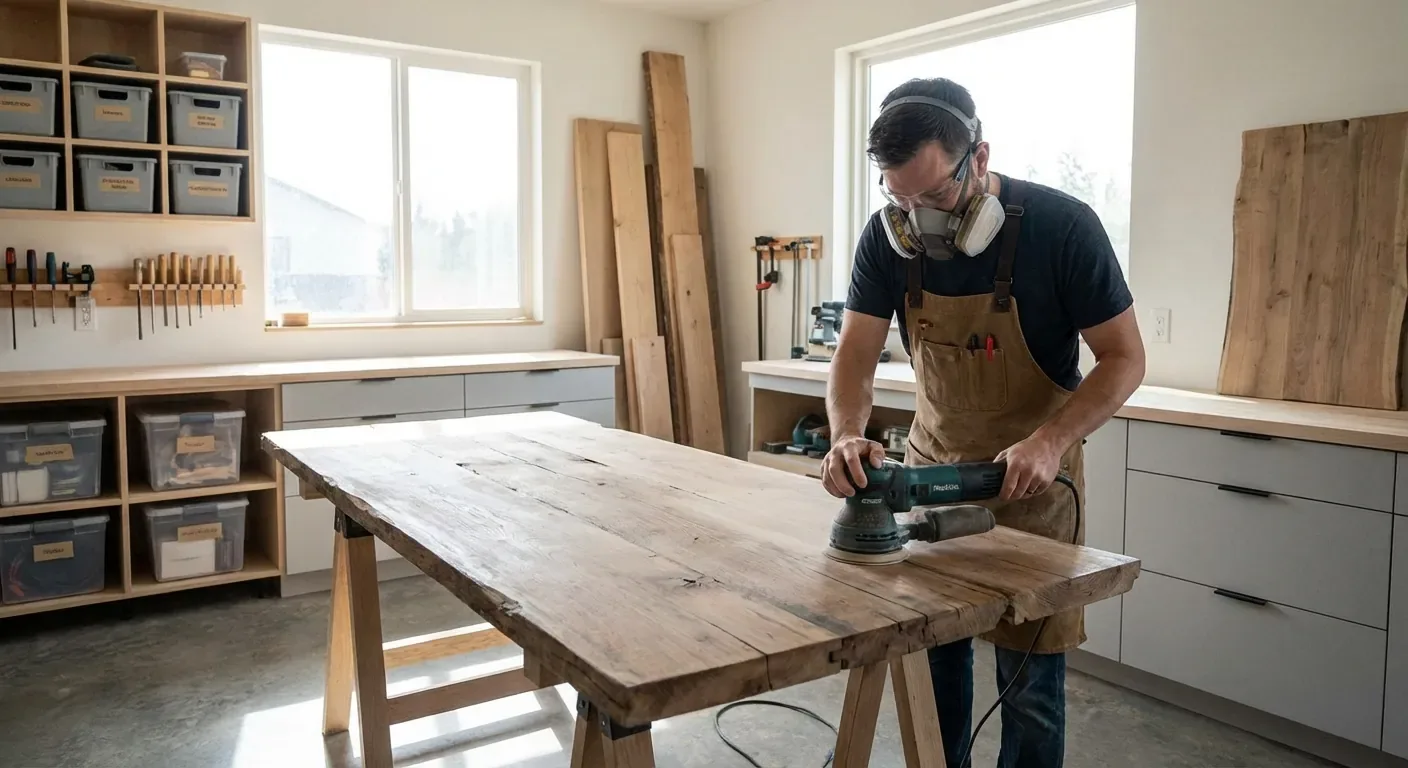
Even with a top-tier dust collector and an ambient air filter, there are times when you are in the "line of fire." Sanding, especially by hand or with a power sander, puts you in close proximity to a high concentration of dust. In these scenarios, personal protective equipment (PPE) is your final and most important layer of defense. A common mistake is relying on a simple "nuisance mask" or a single-strap paper mask. These are often poorly fitted and do not provide a tight seal, allowing dust to enter through the gaps around the nose and cheeks.
For serious woodworking, an N95 or P100 rated respirator is the gold standard. N95 masks filter 95% of airborne particles, while P100 filters capture 99.9%. If you are working with toxic woods or heavy finishes, a half-face respirator with replaceable cartridges is a superior choice. These units offer a silicone seal that conforms to your face, ensuring that all inhaled air passes through the filtration media. They are also surprisingly comfortable for long-term wear once you find a model that fits your facial structure.
Fit testing is a crucial step that many woodworkers overlook. To check the seal of a respirator, cover the intake valves with your hands and inhale gently; the mask should collapse slightly toward your face. If you feel air leaking in from the sides, the mask is not protecting you. For those with facial hair, a standard respirator may not provide an adequate seal. In these cases, a Powered Air Purifying Respirator (PAPR) or a well-fitted hood system may be necessary to ensure you aren't breathing in harmful debris.
Shop Layout and Airflow Optimization
A well-organized shop is a cleaner shop. The physical layout of your tools and workbenches significantly impacts how air moves through the space. If your shop is cluttered with piles of lumber and scrap wood, these act as "dust traps" and "windbreaks," preventing your filtration system from working efficiently. By keeping your workspace organized and utilizing vertical storage for lumber, you create a clearer path for air to circulate, making it easier for your ambient filter to do its job.
Consider the "zones" of your workshop. High-dust tools like the miter saw and sander should ideally be located closer to your air filtration intake or near a window where cross-ventilation can be utilized. If you have the luxury of a window or a garage door, opening them during heavy sanding sessions can provide a massive boost to air quality by allowing fresh air to displace the dusty air. However, be mindful of the weather; high humidity can affect wood movement and finish drying times.
Another often-overlooked aspect of shop layout is the "exit path" for air. If you are using a shop vac or dust collector that exhausts back into the room, ensure it has a high-efficiency filter. Older cloth bags on dust collectors are often "dust pumps," catching the big chips but blowing the finest, most dangerous dust right back into your breathing zone. Upgrading to a pleated canister filter can improve the filtration level of your source collector from 30 microns down to 1 micron, dramatically improving the overall air quality of the layout.
Maintenance and Long-Term Monitoring
Installing an air filtration system is not a "set it and forget it" solution. Over time, filters become clogged with dust, which increases the strain on the motor and decreases the CFM (airflow). A clogged filter is essentially a wall that air cannot pass through, rendering your expensive equipment useless. Establish a regular maintenance schedule. Outer filters on ambient units should be vacuumed or replaced monthly, while inner filters should be replaced every 6 to 12 months depending on shop usage.
To truly manage what you can't see, consider investing in a digital air quality monitor. These devices provide real-time data on PM2.5 levels in your shop. It can be eye-opening to see how a simple task like hand-sanding a small project can spike the dust levels into the "unhealthy" range. Monitoring allows you to see exactly how long it takes for your shop air to return to safe levels after a work session, helping you decide when it’s safe to remove your respirator.
Finally, don't forget the "deep clean." Once or twice a year, use a vacuum with a brush attachment to clean the rafters, the tops of cabinets, and the cooling fins of your power tool motors. Dust that settles on these surfaces can be kicked back into the air by vibrations or drafts. By maintaining a clean environment and regularly servicing your filtration equipment, you ensure that your workshop remains a healthy place to create for years to come.
Pro Tips and Common Pitfalls
One of the most common mistakes woodworkers make is using a leaf blower or compressed air to "clean" the shop. While this is fast and satisfying, it is the worst thing you can do for air quality. It takes settled dust and launches it back into the air, where it will stay suspended for hours. Instead, always use a vacuum with a HEPA filter or a damp mop for floor cleaning. This traps the dust rather than redistributing it.
Another pro tip is to utilize "down-draft" tables for sanding. You can build a simple box with a perforated top that connects to your shop vac. When you sand on top of this table, the vacuum pulls the dust downward, away from your face, before it can escape into the room. This is an incredibly effective DIY addition to any shop that significantly reduces the load on your ambient air filtration system.
| Product Name | Primary Use | Filtration Level |
|---|---|---|
| WEN 3410 Air Filter ↗ | Ambient Air Scrubbing | 1 Micron |
| POWERTEC AF4000 ↗ | Large Shop Ambient Air | 1 Micron |
| 3M Half Face Respirator ↗ | Personal Protection | P100 (Cartridge dependent) |
Frequently Asked Questions
How often should I run my ambient air filter? You should run your ambient air filter whenever you are performing tasks that generate dust, such as cutting, sanding, or routing. However, the most important time to run it is after you have finished working. Fine dust stays airborne for a long time; running the filter for 1-2 hours after you leave the shop ensures that the air is clean when you return. Most modern units come with a timer specifically for this purpose.
If you find yourself coughing or seeing a "haze" in the shop light even after the dust collector has been running, it's a sign that your ambient filtration needs to stay on longer. Consistent use prevents the cumulative buildup of dust on every surface in your shop, which indirectly keeps the air cleaner during your next session by reducing the amount of "settled" dust that can be kicked up.
Can I just use a box fan with a furnace filter taped to it? While a DIY box fan filter is better than nothing, it is significantly less effective than a dedicated air filtration unit. Box fans are designed to move air freely, not to pull air through a restrictive filter. This creates "static pressure" that the fan motor isn't built to handle, often leading to premature motor failure and very low actual CFM. Furthermore, furnace filters are often rated for 5-10 microns, missing the most dangerous 1-micron particles.
A dedicated unit like the WEN 3410 is designed with a high-torque motor and a housing that forces air through multi-stage filters without leaking. While the box fan method is a popular "hack," it generally fails to move enough air volume to achieve the necessary 6-8 air changes per hour required for a safe woodworking environment.
What is the difference between a dust collector and a shop vac? The primary difference lies in air volume (CFM) versus air pressure (static pressure). A shop vac is a high-pressure, low-volume tool. It is excellent at sucking up heavy debris through a small hose, making it perfect for small hand tools. However, it doesn't move enough air to capture the large volume of dust produced by a table saw or planer.
A dust collector is a high-volume, low-pressure machine. It uses a large 4-inch or 6-inch hose to move a massive amount of air, which is necessary to "envelope" the dust produced by large machinery. For a complete workshop solution, you generally need both: a shop vac for your sanders and small tools, and a dust collector for your stationary machines.
Is wood dust really that dangerous? Yes, wood dust is classified as a Group 1 carcinogen by the IARC. Beyond the long-term risk of cancer, it causes immediate issues like "woodworker's lung" (hypersensitivity pneumonitis), asthma, and allergic reactions. Some woods, like Western Red Cedar or Exotic Rosewoods, contain natural oils and chemicals that are highly irritating to the respiratory system.
The danger is often cumulative. You might not feel the effects after one day in the shop, but over a decade, the scarring and inflammation caused by fine particulate matter can lead to significantly reduced lung capacity. This is why air quality should be treated with the same level of respect as blade guards and eye protection.
How do I know if my air filtration is actually working? The simplest "low-tech" way to check is the flashlight test. Turn off the main shop lights and shine a bright LED flashlight across the room. If you see thousands of sparkling "dust motes" dancing in the beam, your filtration is inadequate. In a truly clean shop, the beam should be almost invisible.
For a more scientific approach, you can purchase a PM2.5 air quality monitor. These devices give you a numerical reading of the particles per cubic meter. Ideally, your shop should stay below 15-20 µg/m³ during work. If you see readings hitting 100 or 200 µg/m³, you need to either improve your source collection or upgrade your ambient filtration.
Explore the recommendations.
Check Amazon for current product details, available options, and pricing.
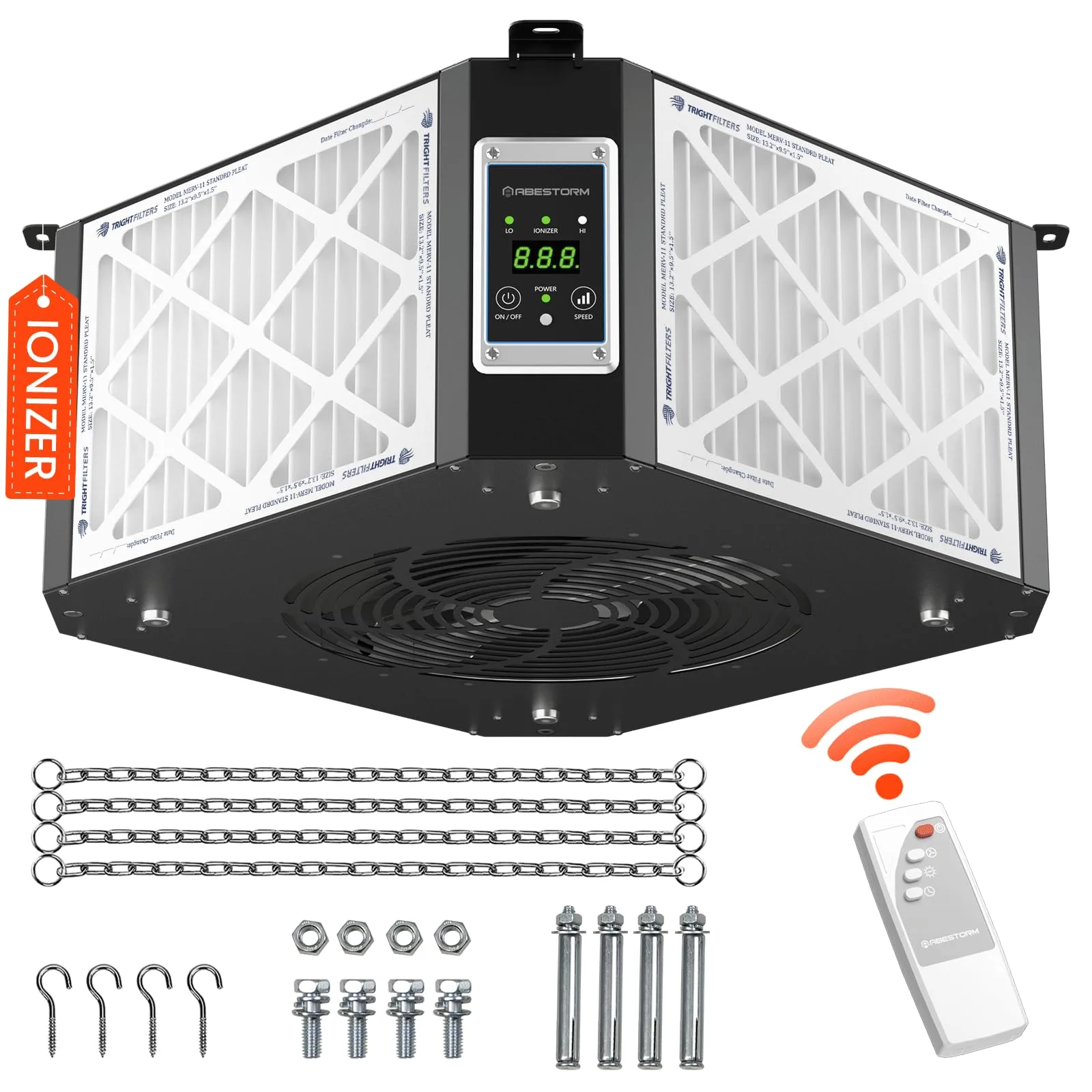
ABESTORM Air Filtration System Woodworking Built-in Ionizer, 1350CFM Hanging Air Filter with Strong Vortex Fan, 360 Degree Intake, Shop Dust Collector for Woodworking, Garage WorkShop, DecDust 1350IG
Product details
360-Degree Intake Air System Built-in Ionizer: DecDust 1350IG built-in ionizer in the air at the same time to generate positive and negative ions, can achieve the treatment of particles, dust, sawdust, eliminate odors, can effectively improve the effect of air purification Includes: 2 speed air filtration system with remote control, 4 pcs MERV-11 micron filters (replaceable in 2-4 months) that can be easily replaced and cleaned for reuse, and matching mounting hardware. Ideal for wood carving, turning, scroll saw work, powder mixing, etc Touch & Remote Controlled, Easy to Install: This compact size air filtration system features two operating controls ( Panel Touch & Remote-Controlled). The remote allows you to control the unit on/off setting from up to 27 feet away Dimensions | Specifications: Item Size 20.5” L * 20.5” W * 9.8” H, electrical requirements 115V, 60 Hz, 1.5 A; air flow 1050-1350 cubic feet per minute, cover rooms up to 1700 sq ft. Noise rating 60 to 69 dBA, item weight -27 lbs, MERV-11 filter 13.2″L * 9.5″ W* 1.5″H Professional Service: Each Abestorm air filtration system is professionally and rigorously tested before being put on the market. We confidently provide warm service and lifetime technical support Professional Service: Each Abestorm air filtration system is professionally and rigorously tested before being put on the market. We confidently provide warm service and lifetime technical support
- 360-Degree Intake Air System Built-in Ionizer: DecDust 1350IG built-in ionizer in the air at the same time to generate positive and negative ions, can achieve the treatment of particles, dust, sawdust, eliminate odors, can effectively improve the effect of air purification
- Includes: 2 speed air filtration system with remote control, 4 pcs MERV-11 micron filters (replaceable in 2-4 months) that can be easily replaced and cleaned for reuse, and matching mounting hardware. Ideal for wood carving, turning, scroll saw work, powder mixing, etc
- Touch & Remote Controlled, Easy to Install: This compact size air filtration system features two operating controls ( Panel Touch & Remote-Controlled). The remote allows you to control the unit on/off setting from up to 27 feet away
- Dimensions | Specifications: Item Size 20.5” L * 20.5” W * 9.8” H, electrical requirements 115V, 60 Hz, 1.5 A; air flow 1050-1350 cubic feet per minute, cover rooms up to 1700 sq ft. Noise rating 60 to 69 dBA, item weight -27 lbs, MERV-11 filter 13.2″L * 9.5″ W* 1.5″H
- Professional Service: Each Abestorm air filtration system is professionally and rigorously tested before being put on the market. We confidently provide warm service and lifetime technical support
- Professional Service: Each Abestorm air filtration system is professionally and rigorously tested before being put on the market. We confidently provide warm service and lifetime technical support
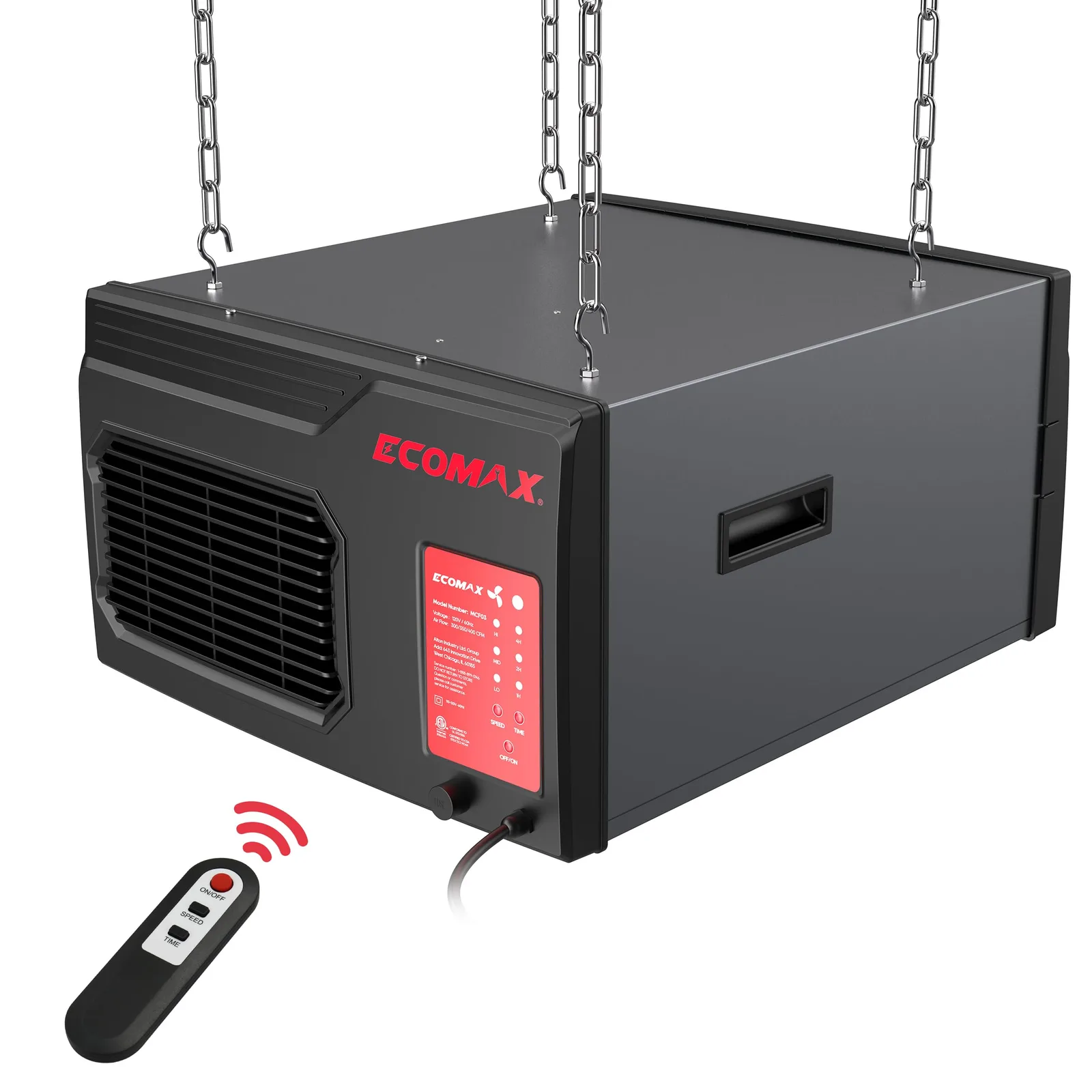
MCF03 Air Filtration System Woodworking, 3-Speed Hanging Ceiling Shop Air Filtration System for Woodworking for Shop Garage (300/350/400 CFM) 17.2" x 20.3" x 10.5"
Product details
【Excellent Workshop Air Filtration System】This hanging shop air filtration for the shop removes dust from the air, improves air quality in the workshop/garage, and provides good air circulation, making it easier and safer to breathe while working. It’s an excellent tool for woodworkers. 【3 Speeds and Timer Settings】Easy to adjust with 3 speeds to choose from: 300/350/400 CFM, this woodshop air filtration system is very quiet (up to 62 dB) and features a built-in timer function. You can set it to Timer 1, 2, or 4 hours for automatic shutdown. 【Double Effective Air Filtration】With an outer filter for larger particles and an inner filter for smaller dust particles, there’s no more floating dust in the workshop. This is very suitable for wood carving, grinding, turning, circular saw work, powder mixing, and more. Both filters are washable and reusable. 【Easy to Use and Control】Equipped with a hook and chain, this ceiling-mounted dust collector for woodworking is easy to move. You can hang the shop air filtration from the ceiling or place it on a table in the workshop. The buttons on the remote or dust collector allow you to control the speed and timer from up to 26 feet away. 【After-Sale Service】Measuring 20.31 x 17.2 x 10.51 inches, with electrical requirements of 110~120V, 60Hz, and a noise rating of 58 to 62dB, our product comes with a 2-YEAR service guarantee. If you encounter any problems, please feel free to contact us so we can assist you and resolve any concerns.
- 【Excellent Workshop Air Filtration System】This hanging shop air filtration for the shop removes dust from the air, improves air quality in the workshop/garage, and provides good air circulation, making it easier and safer to breathe while working. It’s an excellent tool for woodworkers.
- 【3 Speeds and Timer Settings】Easy to adjust with 3 speeds to choose from: 300/350/400 CFM, this woodshop air filtration system is very quiet (up to 62 dB) and features a built-in timer function. You can set it to Timer 1, 2, or 4 hours for automatic shutdown.
- 【Double Effective Air Filtration】With an outer filter for larger particles and an inner filter for smaller dust particles, there’s no more floating dust in the workshop. This is very suitable for wood carving, grinding, turning, circular saw work, powder mixing, and more. Both filters are washable and reusable.
- 【Easy to Use and Control】Equipped with a hook and chain, this ceiling-mounted dust collector for woodworking is easy to move. You can hang the shop air filtration from the ceiling or place it on a table in the workshop. The buttons on the remote or dust collector allow you to control the speed and timer from up to 26 feet away.
- 【After-Sale Service】Measuring 20.31 x 17.2 x 10.51 inches, with electrical requirements of 110~120V, 60Hz, and a noise rating of 58 to 62dB, our product comes with a 2-YEAR service guarantee. If you encounter any problems, please feel free to contact us so we can assist you and resolve any concerns.
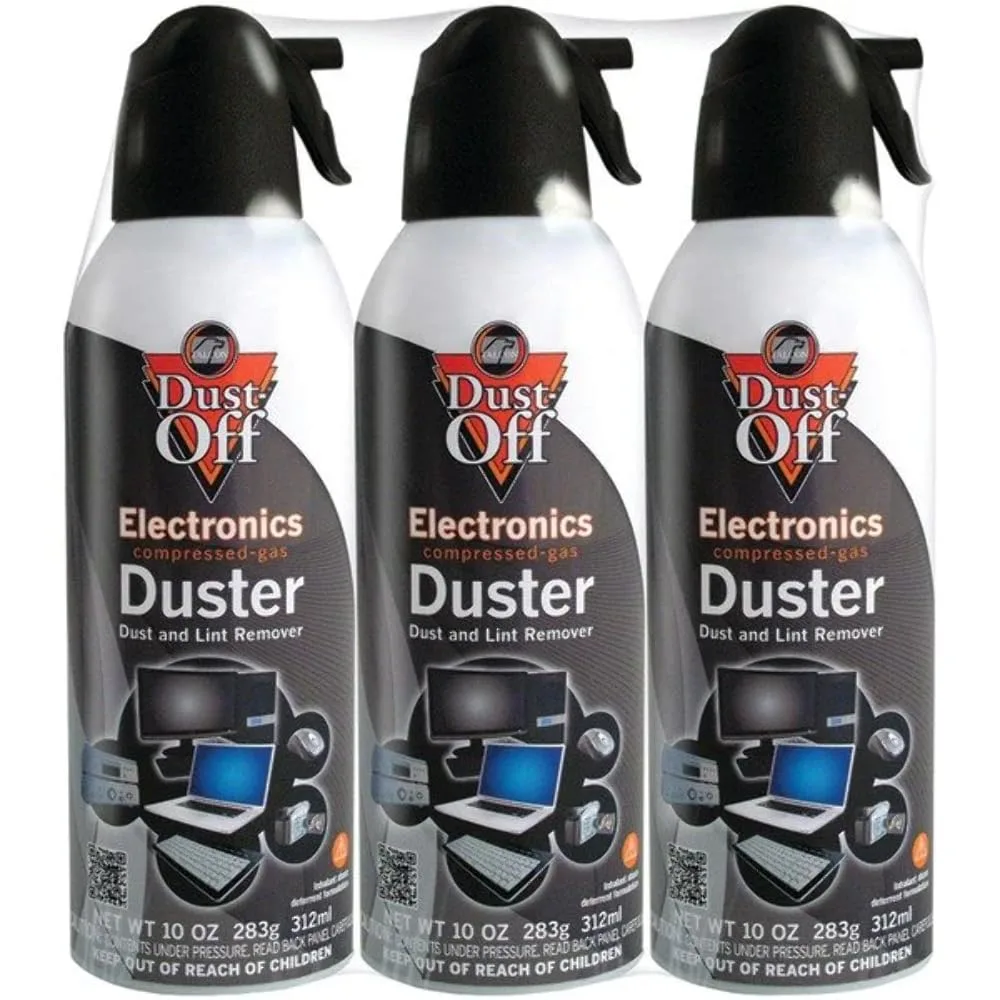
Falcon Compressed Gas (152a) Disposable Cleaning Duster 3 Count, 10 oz. Can (DPSXL3)
Product details
Falcon Dust-Off Aerosol Compressed (152a) Disposable Cleaning duster 3 count 10oz. Contains a bitterant to help discourage inhalant abuse Convenient 3 pack Provides potent dust-removing power for practically any task. Ideal for workstations, labs, repair benches, household use, on-location photography, etc. 100% Ozone safe Bitterant added to help discourage inhalant abuse
- Falcon Dust-Off Aerosol Compressed (152a) Disposable Cleaning duster 3 count 10oz. Contains a bitterant to help discourage inhalant abuse
- Convenient 3 pack
- Provides potent dust-removing power for practically any task.
- Ideal for workstations, labs, repair benches, household use, on-location photography, etc.
- 100% Ozone safe Bitterant added to help discourage inhalant abuse