Ultimate Shop Safety Checklist
Review a practical workshop safety checklist covering personal protection, machine setup, dust, electrical risks, fire prevention, and housekeeping.
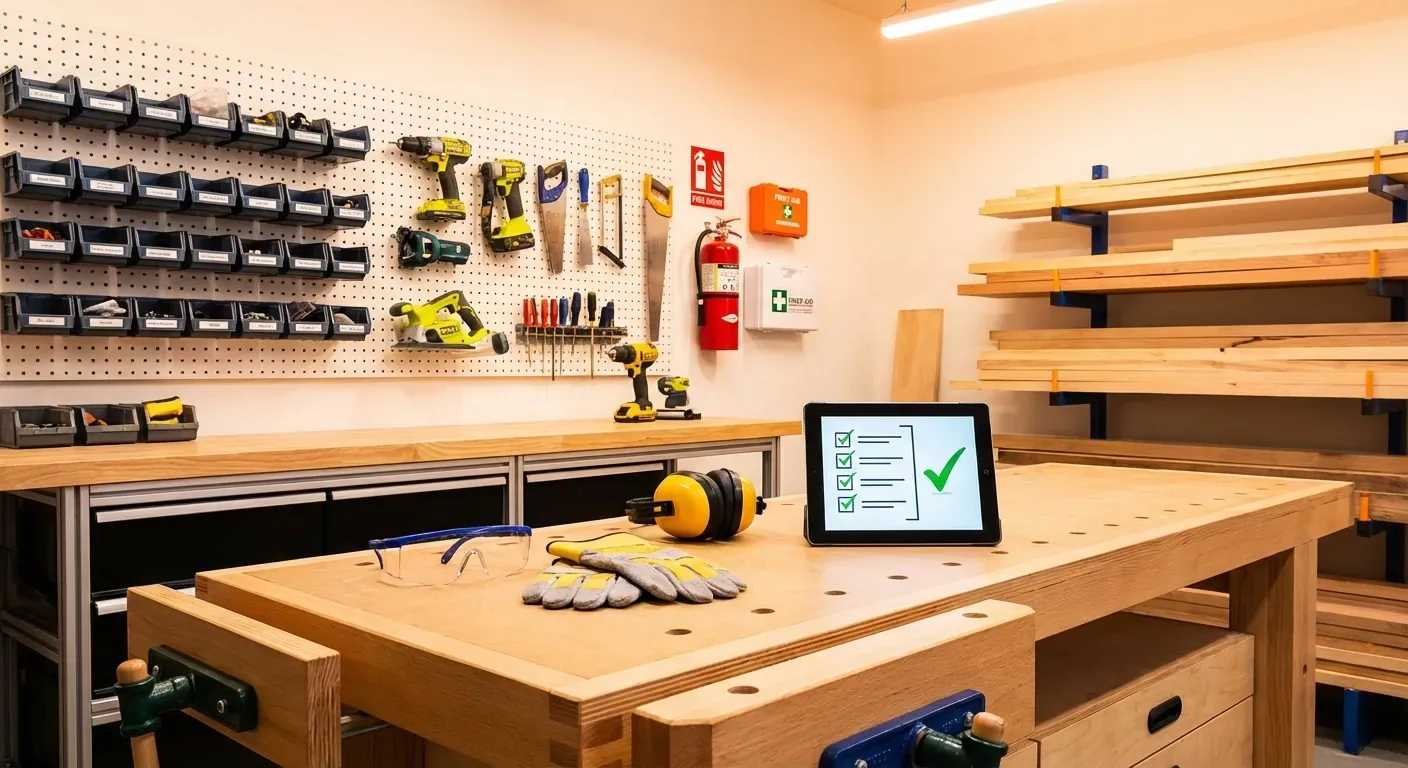
Table of Contents
- The High Stakes of Workshop Safety
- The Problem: Why Good Intentions Fail in the Shop
- Introducing the Ultimate Shop Safety Checklist
- Why Trust Workshop Tips for Your Safety?
- Download Your Ultimate Shop Safety Checklist
- Bonus: Essential Safety Habits for Every Session
- Frequently Asked Questions
The High Stakes of Workshop Safety
Every woodworker, whether a weekend hobbyist or a seasoned professional, knows the distinct hum of a well-tuned table saw. It is a sound of productivity and creativity. However, beneath that rhythmic buzz lies a machine capable of changing your life in a fraction of a second. Safety in the workshop isn't just about wearing your goggles; it is about creating a comprehensive environment where accidents are prevented by design, not just by luck. A single moment of distraction or a cluttered floor can lead to injuries that range from minor splinters to permanent disability. When we step into the shop, we are managing high-speed blades, heavy materials, and airborne toxins that require our full respect and attention.
The reality of woodworking is that the most dangerous moments often occur when we feel the most comfortable. "Normalization of deviance" is a term used in safety science to describe the process where we skip a safety step—like using a push stick or wearing a respirator—and because nothing bad happens, we assume it is safe to keep skipping it. Over time, these small lapses accumulate until the "perfect storm" occurs. Our goal at Workshop Tips is to help you break that cycle. By implementing a rigorous safety protocol, you aren't just protecting your fingers; you are ensuring that your passion for woodworking remains a source of joy rather than a source of regret.
The Problem: Why Good Intentions Fail in the Shop
Most woodworkers have a mental list of safety rules they intend to follow. You know you should clear the offcuts from the saw table, and you know you should check the tension on your bandsaw blade. However, the human brain is remarkably poor at maintaining consistent checklists under pressure or fatigue. When you are rushing to finish a project before dinner or trying to solve a complex joinery problem, safety often takes a backseat to the task at hand. This "cognitive load" means that the more complex your woodworking project becomes, the less mental energy you have left to monitor your environment for hazards.
Furthermore, many workshops suffer from "organizational debt." This happens when tools are tucked into corners, extension cords snake across walking paths, and sawdust accumulates in hard-to-reach places. These aren't just aesthetic issues; they are primary contributors to workshop accidents. A cluttered shop increases the risk of trips and falls, which are particularly dangerous when you are near running machinery. Without a structured way to audit your space, these hazards become invisible over time. You stop seeing the pile of scrap wood as a tripping hazard and start seeing it as just part of the room. This lack of a systematic approach is exactly why even experienced woodworkers find themselves in the emergency room.
To make matters worse, many safety guides are either too vague to be useful or so overly technical that they are impossible to implement in a home shop. You might read that you need "adequate ventilation," but what does that actually mean for a 12x20 garage? Without specific, actionable benchmarks, woodworkers are left guessing. This ambiguity leads to a false sense of security where you think you are protected because you have a dust collector, even if that collector is undersized for the tools you are running. The gap between "having safety gear" and "using safety systems" is where the majority of workshop accidents occur.
Introducing the Ultimate Shop Safety Checklist
To bridge the gap between intention and action, we have developed the Ultimate Shop Safety Checklist. This isn't just a list of "don'ts"; it is a comprehensive management system designed specifically for the unique environment of a woodshop. We have broken down the safety process into four critical pillars: Personal Protective Equipment (PPE), Machine Maintenance, Environmental Hazards, and Fire/Chemical Safety. By following this structured approach, you can audit your shop in less than twenty minutes, identifying high-risk areas before they lead to an incident.
Personal Protective Equipment (PPE) Protocols
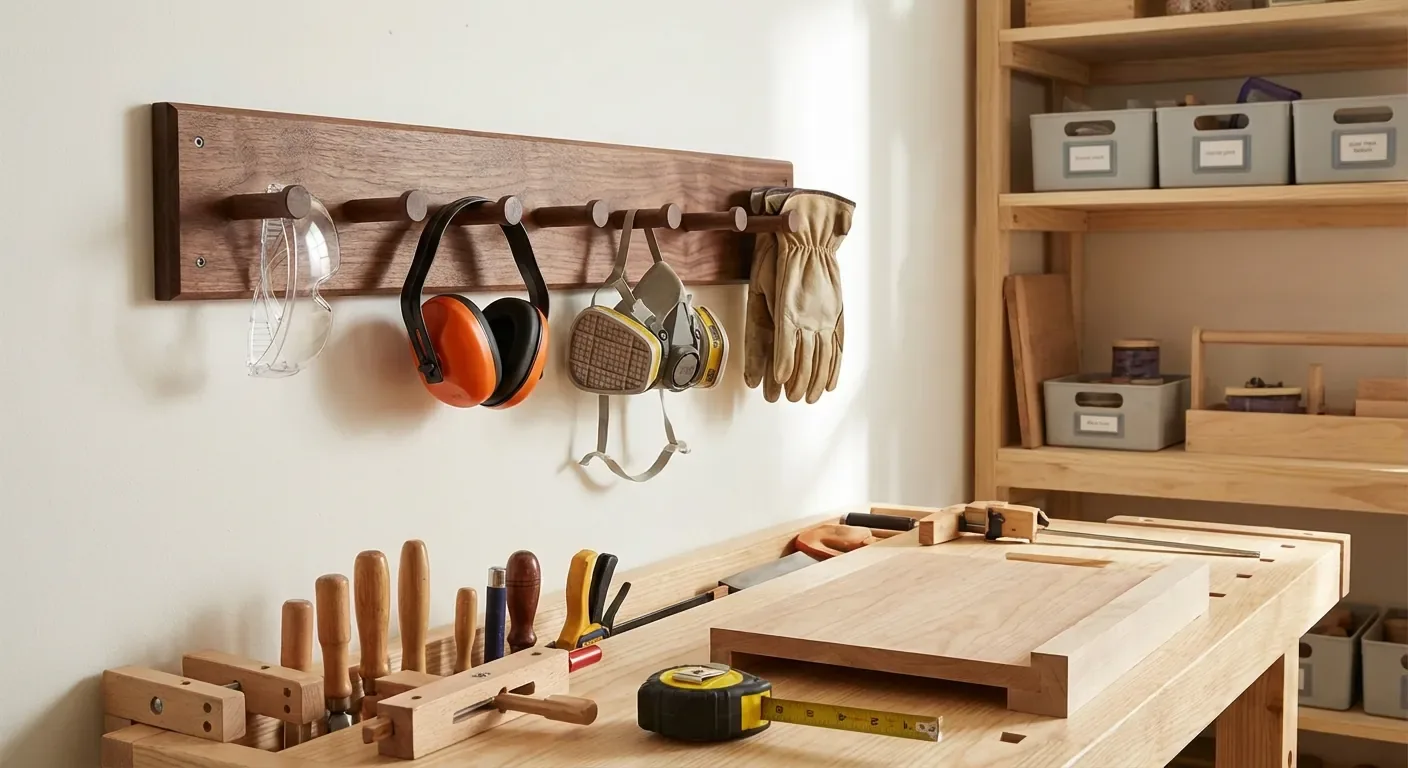
The first section of our checklist focuses on the "last line of defense": your PPE. Many woodworkers treat PPE as optional or "as needed," but our checklist establishes a "Gatekeeper Policy." This means specific gear is required before even entering the work zone. We provide a detailed breakdown of ANSI-rated eye protection, the NRR (Noise Reduction Rating) needed for different tools, and the specific types of respirators required for different finishes and wood species. For example, many people don't realize that certain exotic woods like Cocobolo or even common Black Walnut can cause severe respiratory distress or skin reactions without proper protection.
Machine and Tool Safety Audits
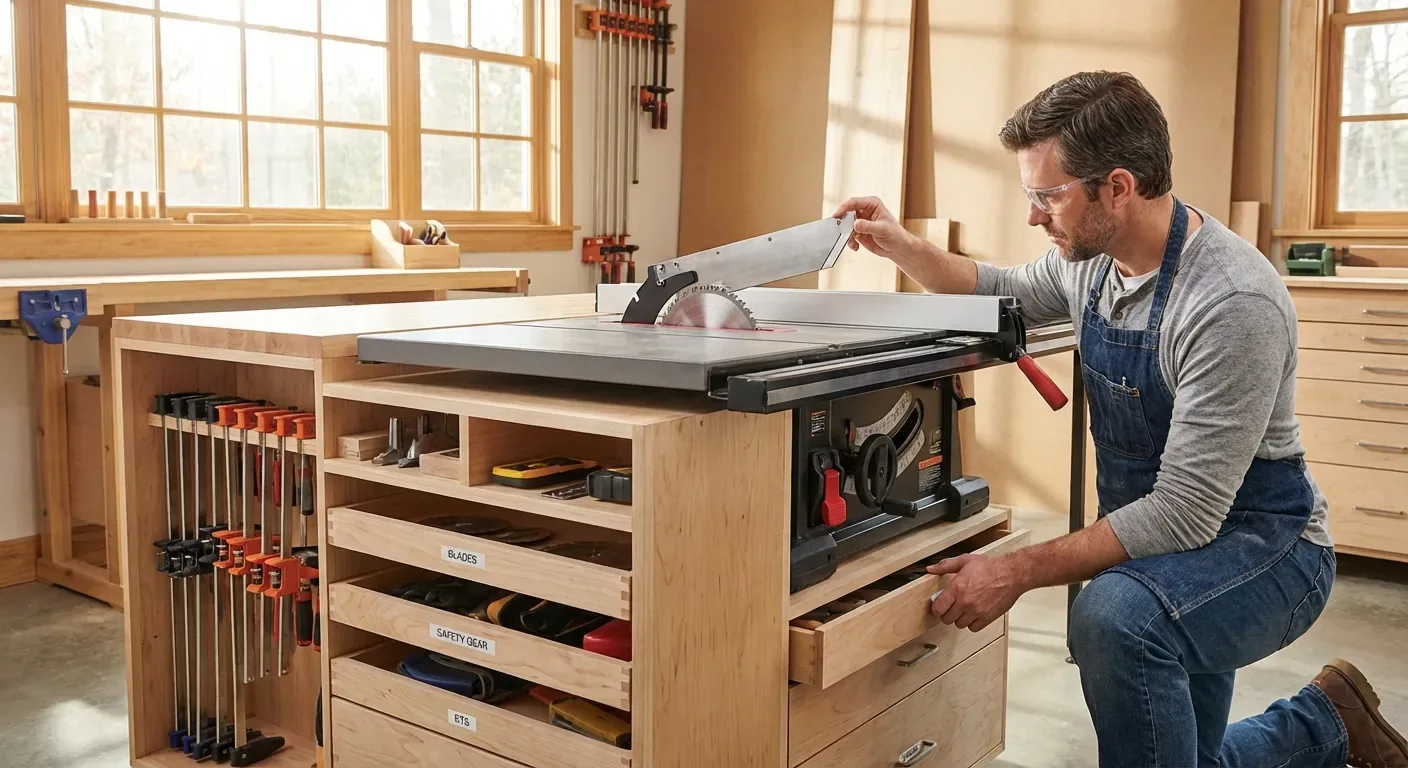
The second pillar covers the mechanical integrity of your shop. This section of the checklist guides you through a "Cold Start" inspection for your major stationary tools. Are the riving knives properly aligned with the blade? Is the emergency stop switch easily accessible with your knee or foot? We include specific measurements for fence alignment and blade squareness, as a tool that is out of alignment is not just inaccurate—it is dangerous. Kickback on a table saw is often caused by a fence that isn't perfectly parallel to the blade, and our checklist ensures you catch these micro-adjustments before they catch you.
Environmental and Storage Organization
The final sections of the checklist address the "silent killers" in the shop: dust, clutter, and chemicals. We provide a rubric for evaluating your shop's lighting—poor lighting is a major cause of hand-tool injuries—and a systematic way to manage scrap and offcuts. Additionally, we cover the proper storage of combustible materials. Many hobbyists are unaware that a pile of oil-soaked rags can spontaneously combust, potentially burning down their home. Our checklist includes a specific protocol for the disposal of finishing supplies and the maintenance of fire suppression equipment, ensuring your shop stays standing for years to come.
Why Trust Workshop Tips for Your Safety?
At Workshop Tips, we aren't just writers; we are makers who have spent thousands of hours at the bench. Our team consists of professional furniture makers and shop organization experts who have seen firsthand the consequences of safety lapses. We have consulted with industrial safety officers to translate high-level safety standards into practical, easy-to-follow steps for the home woodworker. Our advice is grounded in the reality of small-shop constraints, where space is tight and budgets are limited. We don't just tell you to buy the most expensive gear; we show you how to organize what you have for maximum safety.
Over the years, our safety frameworks have been adopted by hundreds of makers across the country. We have received feedback from hobbyists who credit our "clear floor policy" with preventing serious falls, and from professionals who have revamped their entire dust collection system based on our air quality benchmarks. We believe that a safe shop is an efficient shop. When you aren't worried about where you're stepping or whether your saw is going to kick back, your craftsmanship naturally improves. Our commitment is to provide you with the most reliable, research-backed information so you can focus on what you love: building.
Download Your Ultimate Shop Safety Checklist
Don't wait for a "close call" to serve as your wake-up call. The difference between a productive afternoon in the shop and a trip to the hospital is often just a matter of preparation. By downloading our Ultimate Shop Safety Checklist, you are taking a proactive step toward protecting your health and your craft. This PDF is designed to be printed out and laminated, hanging right on your shop door or tool cabinet as a constant reminder of the standards you've set for your workspace.
When you sign up to receive the checklist, you'll also get our monthly "Shop Safety & Storage" newsletter. We share deep dives into shop organization, reviews of the latest safety gear, and tips on how to optimize your workflow. We respect your privacy and will never spam you; our goal is strictly to provide value that helps you build better and stay safer. Join our community of thousands of dedicated woodworkers who prioritize their well-being as much as their joinery.
Your workshop should be your sanctuary, a place where you can escape the stresses of the world and create something beautiful with your hands. By implementing the systems found in our checklist, you are securing that sanctuary. You owe it to yourself, and to your family, to ensure that you return from every shop session whole and healthy. Click the link above, enter your email, and let’s make your workshop the safest it has ever been.
Bonus: Essential Safety Habits for Every Session
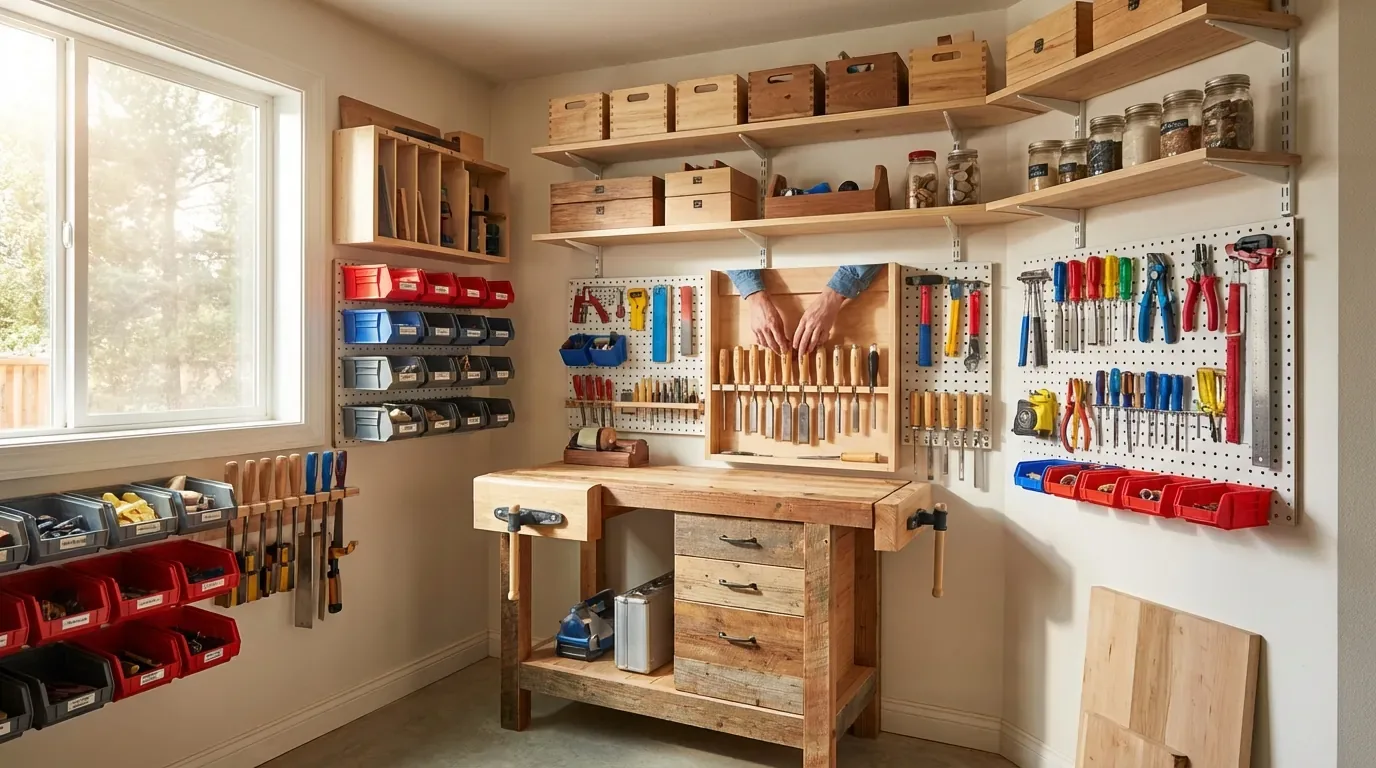
While the checklist provides the structural framework for safety, your daily habits are what sustain it. One of the most effective habits you can adopt is the "Five-Minute Clear-Out" at the end of every session. Before you turn off the lights, take five minutes to return every tool to its designated shadow board or drawer and sweep the floor. This ensures that when you return to the shop—perhaps tired or distracted—you aren't greeted by a minefield of hazards. Starting a project in a clean environment significantly lowers your stress levels and allows you to focus entirely on the task at hand.
Another critical habit is the "Dry Run." Before making a complex cut on the table saw or bandsaw, turn the power off and physically move the workpiece through the entire motion. This allows you to check for potential obstructions, ensure your hands will remain in a safe position throughout the cut, and verify that your push sticks are within reach. It only takes ten seconds, but it can prevent a catastrophic mistake. These small, intentional behaviors, combined with the Ultimate Shop Safety Checklist, create a culture of safety that will serve you for a lifetime of woodworking.
Frequently Asked Questions
Is it really necessary to wear a respirator for every project?
While it might seem overkill for a quick cut, the cumulative effects of wood dust are a serious health concern. Wood dust is classified as a Group 1 carcinogen by the IARC, and even "safe" woods like pine produce fine particulates that can lodge deep in your lungs. Modern respirators are lightweight and comfortable, making them easy to wear. If you are doing any sanding or high-volume cutting, a respirator is non-negotiable. For assembly or hand-tool work, you might be able to rely on a high-quality air filtration system, but when in doubt, protect your lungs.
Furthermore, different woods have different toxicity levels. Some people develop sensitizations over time; you might be fine with oak today, but after years of exposure, you could develop an allergic reaction that prevents you from working with it ever again. Wearing a respirator isn't just about preventing immediate discomfort; it's about ensuring you can continue woodworking for decades. Our checklist helps you identify which tasks require which level of respiratory protection so you aren't guessing with your health.
How often should I check my fire extinguisher and first aid kit?
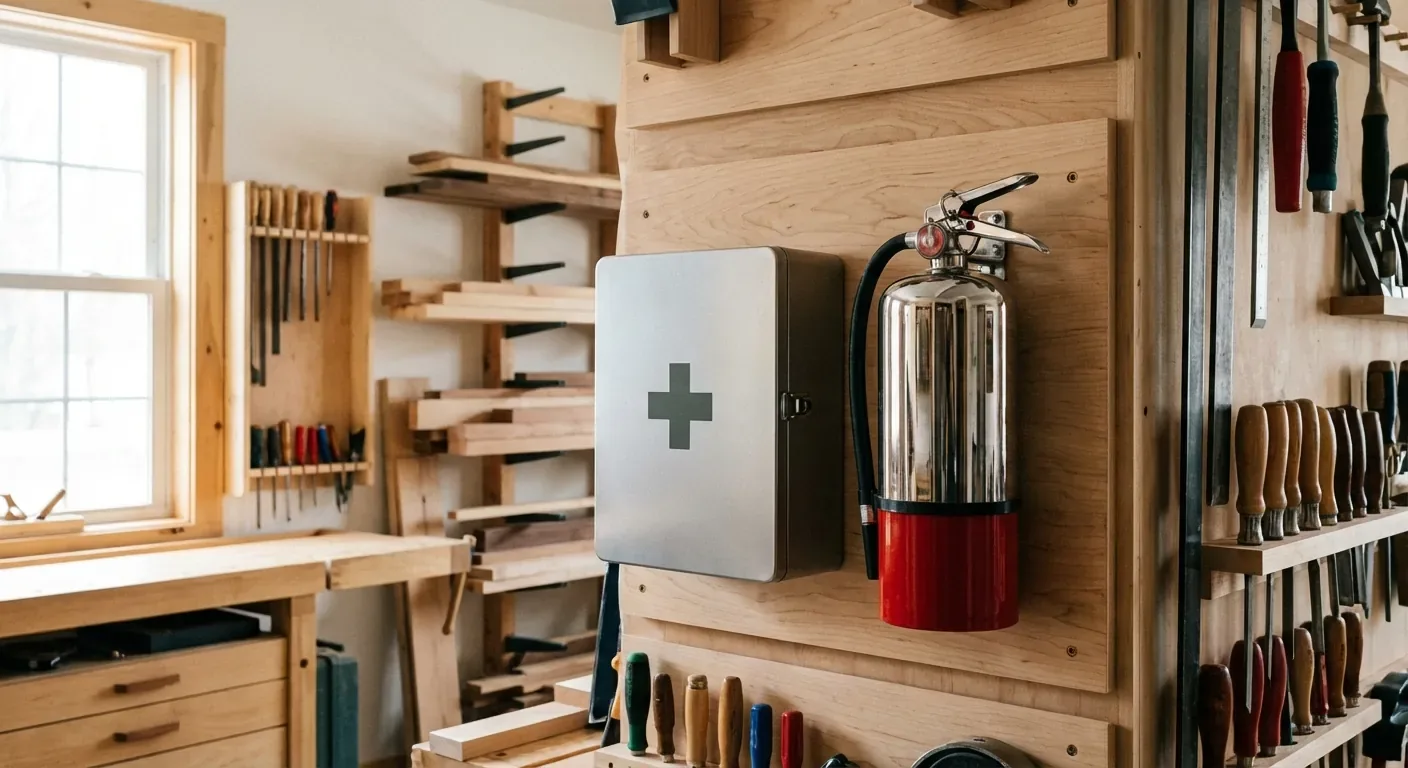
We recommend a formal inspection of your safety equipment every three months, which is built into our checklist. For fire extinguishers, you should check that the pressure gauge is in the green zone and that the nozzle is clear of spider webs or dust. It's also a good idea to tip the extinguisher upside down and shake it occasionally to prevent the dry chemical powder from settling and packing at the bottom. In a woodshop filled with fuel (sawdust and lumber), a functioning fire extinguisher is your most critical piece of emergency equipment.
Your first aid kit needs similar attention. Check for expired ointments and ensure that your supply of "major trauma" items—like heavy gauze and a tourniquet—is replenished. Most standard first aid kits are designed for minor cuts, but a woodshop requires supplies that can handle more significant injuries. Make sure your kit is mounted in a highly visible location and that anyone who visits your shop knows exactly where it is. Being prepared for the worst-case scenario is the best way to ensure it never happens.
Explore the recommendations.
Check Amazon for current product details, available options, and pricing.