Best Pegboard Accessories for Woodworkers
Compare useful pegboard accessories for chisels, clamps, hand tools, bits, and small parts, with compatibility and mounting guidance.
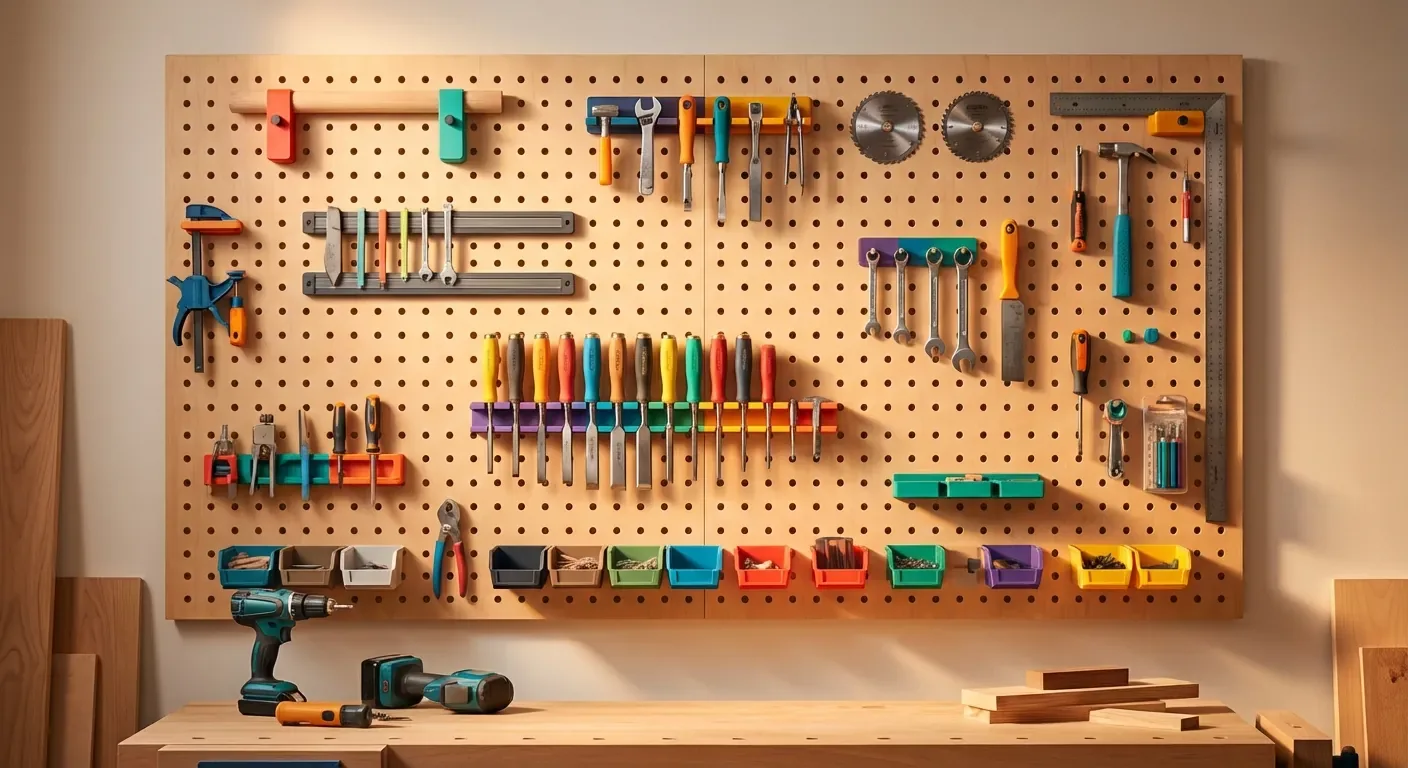
Table of Contents
- Introduction
- Quick Comparison Table
- Best Overall: Metal Slotted Pegboard Hooks
- Best for Heavy Tools: Slotted Tool Storage Brackets
- Best Budget Pick: Locking Plastic Pegboard Hooks
- Best Specialized Holder: Heavy Duty Hammer Holder
- Best Premium Option: Slotted Pegboard Shelf Assembly
- Best for Hand Tools: Screwdriver and Small Tool Rack
- How We Evaluated These Accessories
- Woodworker’s Pegboard Buying Guide
- Frequently Asked Questions
Introduction
In any woodworking shop, the battle against clutter is constant. Sawdust is inevitable, but a disorganized workbench is a choice that costs you time, accuracy, and sanity. A pegboard system is the traditional backbone of workshop organization, yet the board itself is only as effective as the accessories you choose to populate it. For woodworkers, the challenge is unique: we deal with tools that are often heavy, oddly shaped, or require delicate handling to maintain sharp edges.
PRODUCTS IN THIS GUIDE
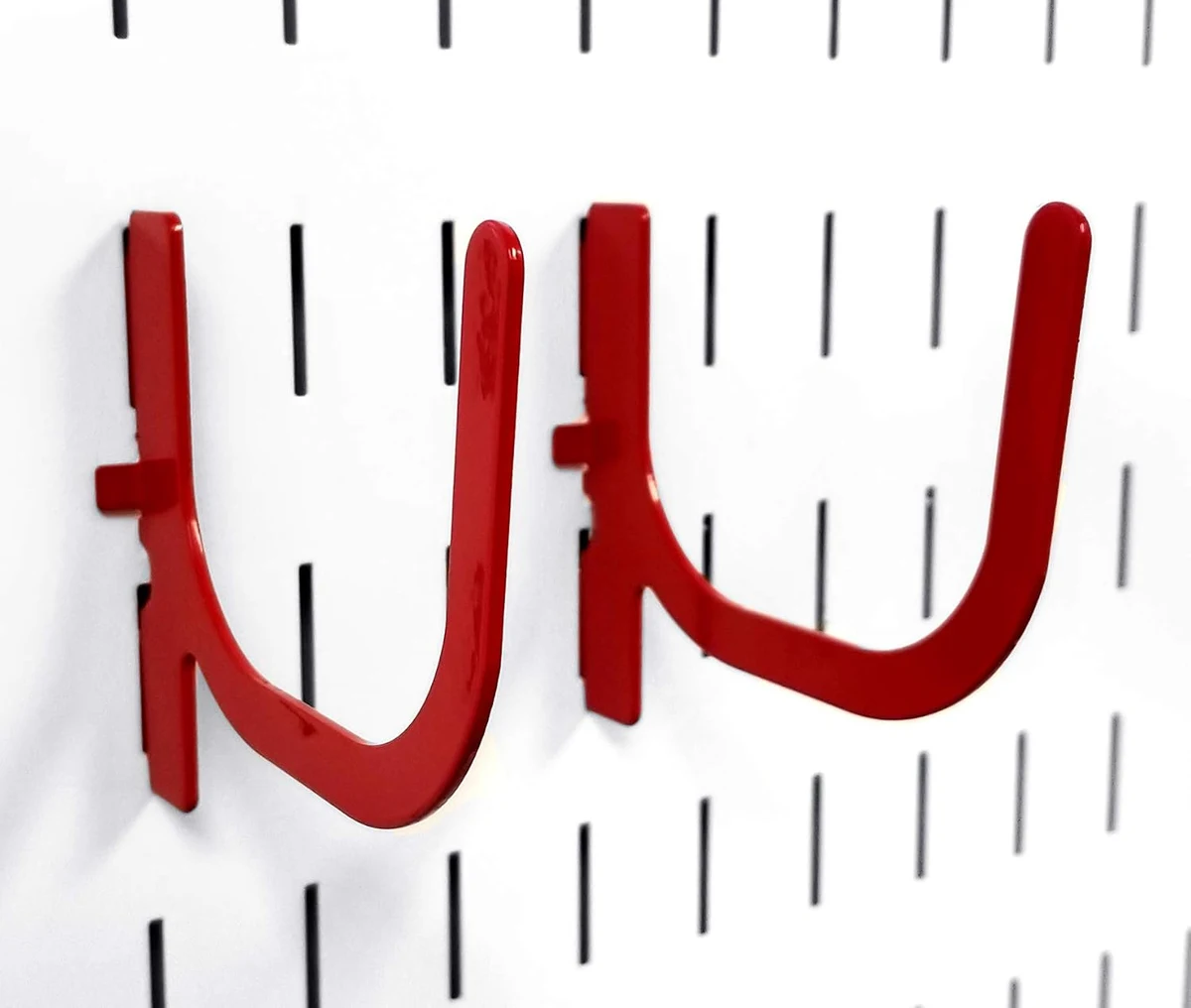
Wall Control 10-UH-404 R U-Hooks, Red Pair
U-shaped holders for compatible Wall Control slotted panels; these are not universal round-hole pegboard hooks.
Check price on Amazon for Wall Control 10-UH-404 R U-Hooks, Red Pair (opens in a new tab)Selecting the right pegboard accessories involves more than just buying a bulk bag of cheap wire hooks. You need to consider the weight of your heaviest mallets, the length of your longest clamps, and the accessibility of your most-used marking gauges. A good accessory doesn't just hold a tool; it secures it firmly so it won't fall when you reach for something else, and it organizes it in a way that creates a logical workflow across your shop walls.
In this guide, we have curated a selection of pegboard accessories specifically tailored for the woodworking environment. We looked for durability, "stay-put" reliability, and specialized shapes that accommodate common shop tools like chisels, squares, and power drills. Whether you are outfitting a brand-new metal Wall Control system or trying to make a standard 1/4-inch hardboard setup more functional, these picks represent the best value and performance currently available.
Quick Comparison Table
| Product Name | Best For |
|---|---|
| Wall Control 10-PH-025 Black 1/4" Pegboard Hooks ↗ | Best Overall |
| Wall Control 10-UH-404 R U-Hooks ↗ | Compatible slotted panels |
| Azar Displays 700225 2-Inch Locking Pegboard Hooks ↗ | Best Budget Pick |
| Wall Control 10-HH-005 Hammer Holder ↗ | Specialized Tools |
| Wall Control 10-SH-106 Slotted Pegboard Shelf ↗ | Premium Storage |
| Wall Control 10-ER-001 Screwdriver Holder ↗ | Hand Tool Org |
Wall Control 10-UH-404 R U-Hooks, Red Pair
Check price on Amazon for Wall Control 10-UH-404 R U-Hooks, Red Pair (opens in a new tab)Best Overall: Metal Slotted Pegboard Hooks
The foundation of any organized pegboard is the standard hook, but "standard" often means flimsy. For woodworkers, a hook needs to do more than just hang a lightweight item; it needs to stay seated when you remove a tool. Most traditional wire hooks have a frustrating tendency to pull out of the board along with the tool you’re grabbing. This is why a dual-engagement system, which utilizes both the peg holes and a slotted interface, is the gold standard for workshop stability.
These specific hooks are designed to solve the "wobble" problem once and for all. When you're in the middle of a complex glue-up and need to grab a specific square or a marking knife, the last thing you want is a shower of metal hooks hitting the floor. The secure fit of high-quality metal hooks ensures that your layout tools remain exactly where you put them, maintaining the "muscle memory" of your workshop layout.
Furthermore, the finish on your accessories matters. In a woodworking shop, moisture and humidity can lead to rust on unprotected metal. A high-quality powder-coated or galvanized finish prevents the hook from marring your tools or succumbing to corrosion over time. This longevity is essential for a setup that is meant to last as long as your woodworking hobby or career.
I highly recommend the Wall Control 10-PH-025 hooks because they solve the number one complaint about pegboards: hooks falling out. These are best for woodworkers who have invested in a Wall Control metal pegboard system and want the most stable connection possible. The standout feature is the double-offset engagement; they hook into the slots with a snugness that traditional wire hooks can't match.
While these are incredibly secure, the main drawback is their compatibility. They are specifically engineered for slotted metal pegboards, meaning they won't work on the cheap 1/8-inch hardboard panels found at big-box stores. However, compared to standard hooks, the lack of "swing" or "pull-out" makes them worth every penny. Each hook is made from heavy-duty steel and finished with a sleek black powder coat that resists scratches from metal tools. If you are tired of chasing hooks across your shop floor, this is the definitive solution for your most-used hand tools.
Best for Heavy Tools: Slotted Tool Storage Brackets
The specific option to compare is the Wall Control 10-UH-404 R U-hook pair, the red two-hook configuration linked below. These are accessories for compatible Wall Control slotted metal panels, not universal hooks for conventional round-hole hardboard. Check the panel system before ordering a hook that looks similar in a photograph.
The manufacturer's U-hook page identifies the four-inch-reach model. More reach may accommodate a tool's shape, but it also occupies aisle space. Measure the tool with its battery attached and check handle clearance, balance, and a clear route for lifting it away from the panel.
Check the Wall Control 10-UH-404 R pair on Amazon ↗.
We have not load-tested these hooks and do not infer a safe tool weight from their appearance. Use the current panel and accessory instructions, including appropriate structural attachment. A pair of hooks is not automatically a cradle for any circular saw, router, or belt sander. For several drills and drivers, compare a dedicated manufacturer-specified holder rather than assuming a generic hook pair will fit.
Best Budget Pick: Locking Plastic Pegboard Hooks
Not every woodworker is ready to commit to a full metal pegboard system, and for those using traditional 1/4-inch hardboard, stability is still a major concern. Plastic locking hooks offer a clever, cost-effective solution to the "falling hook" syndrome. These accessories feature a small tab or peg that locks into the adjacent hole, effectively anchoring the hook to the board without the need for expensive specialized panels.
These are best for lightweight items like rolls of tape, safety glasses, or lightweight plastic squares. Because they are made of high-impact plastic, they are also "tool-friendly." If you are hanging delicate items with finished surfaces, the plastic won't scratch or mar them the way unfinished metal might. This makes them a great choice for hanging things like custom-made wooden jigs or templates that you've spent hours perfecting.
While they don't have the raw strength of steel, the sheer quantity you get for the price makes them an excellent value for filling out the "dead space" on your board. You can use them to organize all the small accessories that usually end up in a "junk drawer," such as hex keys, chuck keys, and small brushes. By moving these items to the wall, you clear up valuable drawer space for larger hand tools.
The Azar Displays 700225 Locking Hooks are the best budget-friendly upgrade for traditional pegboards. I recommend these for DIYers who are using standard wood or plastic pegboards and are frustrated with hooks that wobble. The standout feature is the "locking" tab that snaps into the hole below the main hook, providing a surprisingly secure fit for a plastic product.
One drawback is that they are plastic, so they will eventually fatigue or snap if overloaded with heavy metal tools. They are best suited for items under 2-3 pounds. However, compared to standard metal hooks that require "peg locks" (those annoying little plastic clips that always get lost), these are a much more integrated and elegant solution. They come in a large pack, making it easy to organize an entire wall of light accessories on a budget. They fit standard 1/4-inch holes perfectly and provide a clean, uniform look to your shop organization.
Best Specialized Holder: Heavy Duty Hammer Holder
Hammers and mallets are awkward to store. Their weight is concentrated at the head, making them prone to tipping off standard hooks. A dedicated hammer holder uses a circular or semi-circular ring to capture the head of the tool, allowing the handle to hang freely. For a woodworker, this is vital for organizing a variety of striking tools, from delicate brass hammers for chisel work to heavy rubber mallets for assembly.
Using a specialized holder also improves safety. A hammer falling from a pegboard can easily dent a project or, worse, land on a foot. A ring-style holder ensures the tool cannot be bumped off laterally. It requires a deliberate vertical lift to remove the tool, which is exactly the kind of security you want in a busy shop environment where you might be moving long boards around.
Beyond just hammers, these holders are surprisingly versatile. They can hold T-handle hex wrenches, certain types of pliers, or even a canister of glue. Having a few of these specialized loops on your board allows you to create a "striking station" where all your mallets are grouped together, making it easy to find the right tool for the specific force required for your joint assembly.
The Wall Control 10-HH-005 Hammer Holder is a specialized accessory that every woodworker needs. I recommend it for anyone who uses multiple mallets and wants to clear them off their workbench. The standout feature is the 2-inch diameter ring, which is large enough to accommodate almost any standard hammer or mallet handle while catching the head securely. It is made from heavy-duty steel, meaning it won't sag over time.
A potential drawback is that it takes up a specific "footprint" on the board, so you can't easily overlap other tools near it. However, it is far superior to trying to balance a hammer on two straight hooks. It’s also great for holding other shop essentials like a can of WD-40 or a large flashlight. If you have a dedicated assembly area, mounting three or four of these in a row creates a professional-looking and highly functional mallet rack that keeps your striking tools at the ready.
Best Premium Option: Slotted Pegboard Shelf Assembly
Sometimes, a hook isn't the answer. Woodworkers often have items that don't have hanging holes—think of wood glue bottles, paste wax, cans of finish, or battery chargers. A pegboard shelf extends the functionality of your wall storage into the third dimension, providing a flat surface for these "un-hangable" items. A high-quality metal shelf is a premium addition that can support significant weight, unlike flimsy plastic alternatives.
The beauty of a pegboard shelf is its adjustability. As your needs change, you can move the shelf up or down without needing to drill new holes in a cabinet. For example, if you buy a taller bottle of glue, you can simply drop the shelf one row. This adaptability is the core strength of the pegboard system. A shelf also provides a great place to keep your most-used reference books or a small radio, keeping them away from the dust and debris of the workbench.
Furthermore, a shelf with a "lip" or edge is preferable in a workshop. It prevents items from vibrating off the edge when you're running a nearby planer or sander. This small detail can save you from a messy spill of wood stain or glue. When combined with other accessories, a shelf helps transform a flat wall into a comprehensive workstations.
The Wall Control 10-SH-106 Slotted Pegboard Shelf is the ultimate premium accessory for a high-end shop. I recommend it for woodworkers who need a place to store "consumables" like glue, finishes, or even small power tool cases. The standout feature is its 6-inch depth and 16-inch width, providing ample space for several large items. Because it uses the Wall Control slotted system, it is incredibly stable and won't tilt forward even when fully loaded.
The drawback is the price; it is one of the more expensive accessories you can buy. However, the build quality is exceptional, and it adds a level of versatility that hooks simply cannot provide. Compared to building your own wooden shelves, this is a much faster and more adjustable solution. It's perfect for holding a battery charging station or a row of wood stains. The heavy-duty steel construction means it won't bow under the weight of several quart-sized cans, making it a "buy once, cry once" investment for your shop.
Best for Hand Tools: Screwdriver and Small Tool Rack
A woodworker’s "small tool" collection can be vast: screwdrivers, chisels, awls, and marking gauges. Storing these on individual hooks is a waste of space and makes the board look cluttered. A dedicated rack or "executive" holder allows you to group these tools together in a compact, organized row. This not only looks better but also makes it much easier to find the specific size or type of tool you need at a glance.
These racks are designed with various hole sizes to accommodate different handle diameters. A good rack will hold the tools vertically, which is the most space-efficient way to store long, thin items. For chisels, this is particularly important, as it keeps the sharp tips pointed downwards and away from your hands, while also preventing the blades from touching other metal objects and becoming dull.
The stability of the rack is paramount. Since you will be frequently pulling tools out and sliding them back in, the rack must be firmly attached to the board. A rack that wobbles or lifts when you pull a screwdriver is a constant annoyance. High-quality metal racks that lock into multiple slots or holes provide the rigidity needed for a high-traffic area of your pegboard.
The Wall Control 10-ER-001 Screwdriver Holder is an essential for any woodworking bench. I recommend it for anyone who wants to organize their screwdrivers, chisels, or files in one place. The standout feature is the variety of hole sizes, which can hold up to 6 tools of varying diameters. It’s made from a single piece of heavy-gauge steel, so there are no welds to break or plastic to crack.
The only limitation is that it is designed for tools with handles larger than the holes; very thin precision screwdrivers might slide right through. However, for standard shop tools, it is perfect. It is much more efficient than using six individual hooks, saving you significant "real estate" on your pegboard. The black finish looks professional and matches the other Wall Control accessories perfectly. If you find yourself constantly digging through a drawer for a specific screwdriver, this rack will change your workflow for the better.
How We Evaluated These Accessories
This comparison is based on manufacturer dimensions, materials, compatibility information, mounting designs, and recurring patterns in owner feedback. We have not load-tested and pull-tested every accessory ourselves.
We prioritized stability, durability, and usefulness for the shapes and weights of woodworking tools. Metal accessories with multiple engagement points and positive locks generally offer more security than loose single pegs, but compatibility depends on the board’s hole size and, for proprietary metal panels, its slot pattern.
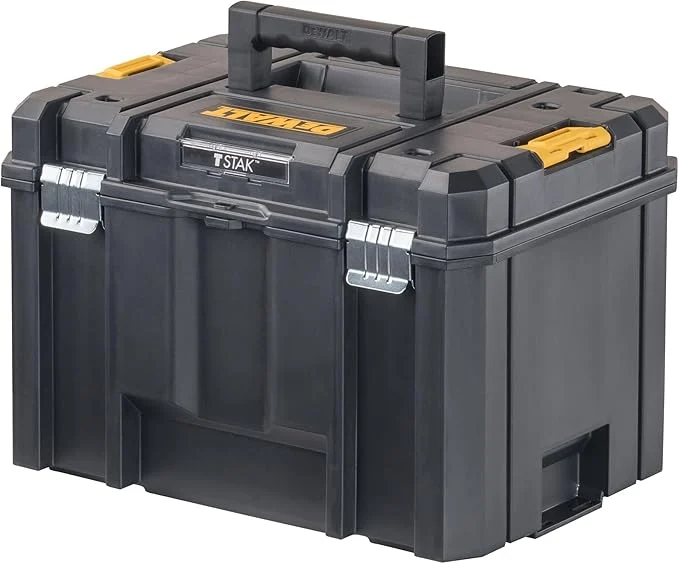
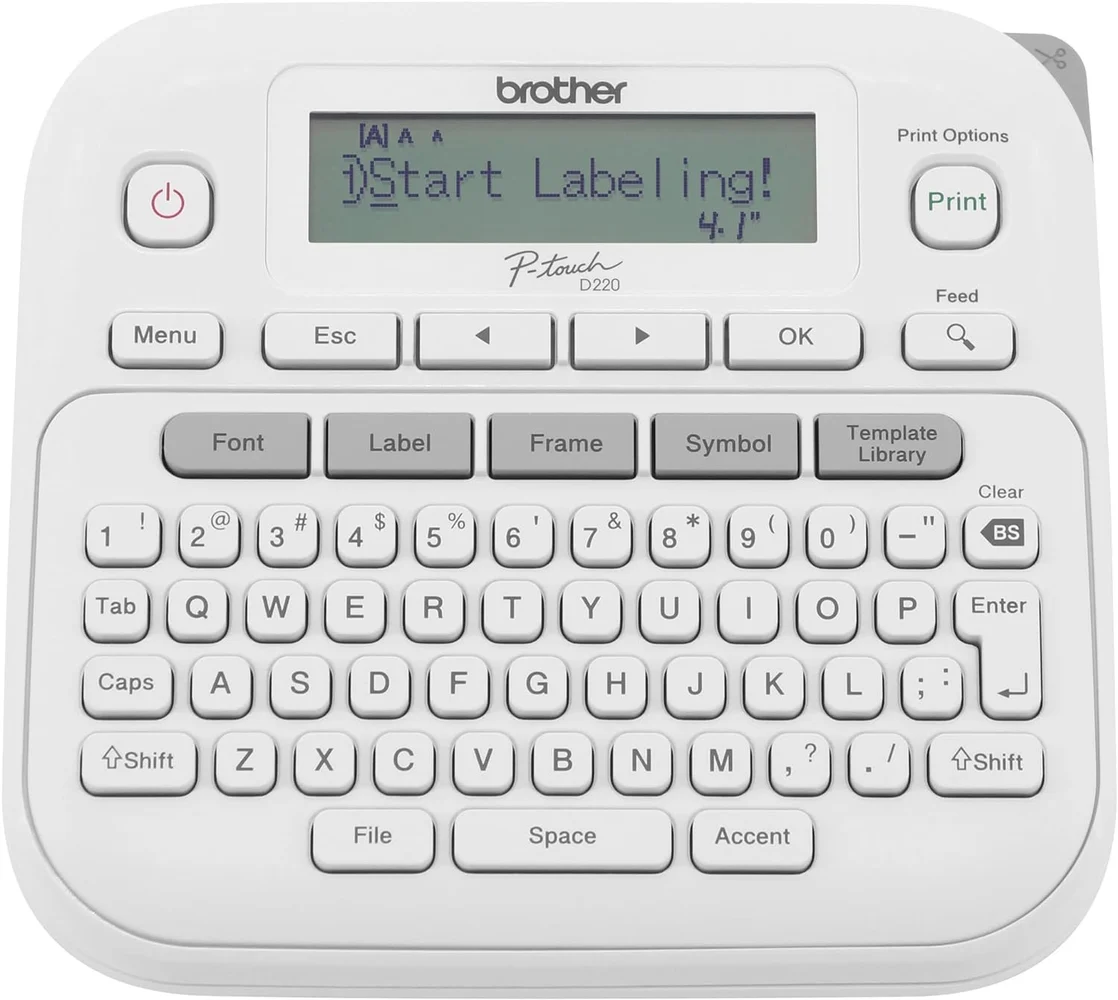
Choose accessories around the tools you actually reach for, then use a consistent workshop labeling system. For storage that needs to move, compare modular tool storage systems; for chisels specifically, see the magnetic holder comparison.
Woodworker’s Pegboard Buying Guide
When shopping for pegboard accessories, the first thing you must confirm is compatibility. There are two main standards: 1/8-inch and 1/4-inch hole sizes. Most modern workshops use 1/4-inch pegboard because it is significantly stronger. If you have a metal system like Wall Control, you have the added option of using "slotted" accessories, which are much more stable than hole-only hooks. Never buy accessories without knowing exactly which board you have, as 1/4-inch hooks will not fit into 1/8-inch holes.
Material choice is the next major consideration. While plastic accessories are cheaper and won't scratch your tools, they lack the long-term durability of steel. For heavy tools like saws, drills, and large hammers, metal is non-negotiable. However, for lightweight items or delicate layout tools, plastic locking hooks can be a smart way to save money. If you choose metal, look for powder-coated or galvanized finishes to prevent rust, which is a common issue in garages and basement shops.
Think about "storage density" when planning your layout. It’s tempting to buy a massive variety pack, but you’ll often find that half the hooks are too small for woodworking tools. Instead, identify your most-used tools and buy specific accessories for them. A screwdriver rack, a hammer holder, and a few deep U-brackets will do more for your organization than 50 tiny J-hooks. Plan your board so that your most-used tools are at eye level and within easy reach of your primary workspace.
Finally, consider the "stay-put" factor. If you aren't using a slotted metal system, look for accessories that include "peg locks" or have a locking design. There is nothing more frustrating than a hook that falls into a pile of sawdust every time you grab a wrench. Investing a few extra dollars in locking accessories or high-quality metal hooks will save you hours of frustration over the life of your workshop.
Plan the power-tool section separately
Drills and larger tools need a holder that matches both the tool and the panel. Compare pegboard power-tool holders before ordering, particularly when using slotted steel panels instead of conventional round-hole pegboard. For a separate magnetic station, read the heavy-tool magnetic-bar guide and check the limits of untested retention claims.
Frequently Asked Questions
Should I choose plastic or metal pegboard accessories?
For a woodworking shop, metal is almost always the better choice for your primary tools. Woodworking tools like mallets, planes, and power drills are heavy, and plastic hooks can flex or snap over time under that kind of load. Metal accessories, especially those made from 12-gauge or 14-gauge steel, offer the rigidity needed to keep your tools safe and secure.
However, plastic has its place. If you are storing lightweight items like plastic squares, tape, or safety gear, plastic hooks are more than adequate. They also have the benefit of being non-marring, so they won't scratch the finish of delicate tools. A hybrid approach—metal for the heavy hitters and plastic for the light accessories—is often the most cost-effective way to organize a shop.
Will these accessories work on any brand of pegboard?
It depends on the design. Traditional wire hooks and "locking" plastic hooks are generally universal, provided they match the hole size (1/8" or 1/4") of your board. Most accessories designed for 1/4" holes will fit standard hardboard, plastic, or metal pegboards found at hardware stores.
Specialized "slotted" accessories, like those from Wall Control, are designed specifically for their brand of metal panels. While they often have pegs that fit standard holes, their primary stability comes from the slots. If you have a standard wood pegboard, you should look for "universal" hooks or those specifically labeled for 1/4-inch holes. Always check the product description for "slotted" vs. "peg" compatibility before purchasing.
How do I stop my pegboard hooks from falling out?
This is the most common frustration with pegboards. If you are using traditional wire hooks on a standard board, the best solution is to use "peg locks"—small plastic clips that snap over the hook and into the adjacent holes. Alternatively, you can use a small dab of hot glue or zip ties to secure the hook to the board, though this makes it harder to rearrange later.
The most effective "permanent" solution is to upgrade to a system designed for stability. Locking plastic hooks (like the Azar picks mentioned above) have a built-in tab that keeps them in place. Even better, metal slotted systems use a vertical engagement that makes it physically impossible for the hook to pull out when you remove a tool. If you're starting from scratch, the slotted metal system is the best way to avoid this problem entirely.
What is the weight limit for most pegboard hooks?
Weight limits vary wildly based on the material and the design. A standard 1/4-inch metal hook can usually hold 5-10 pounds without issue, while heavy-duty brackets or shelves can often support 20-50 pounds if the pegboard itself is properly anchored to the wall studs. Plastic hooks are generally limited to 2-5 pounds.
The limiting factor is often not the hook, but the board. Standard 1/8-inch hardboard is quite fragile and can "blow out" if you hang a heavy tool on a single thin hook. If you plan on hanging heavy items like a gallon of glue or a cordless circular saw, you should use a metal pegboard and wide brackets that distribute the weight across several holes or slots.
Can I use pegboard accessories for chisels and sharp tools?
Yes, but you need to be intentional about it. You should never hang a sharp chisel on a single hook where the edge can bang against the metal. Instead, use a dedicated tool rack (like the screwdriver holder mentioned earlier) that allows the chisel to sit vertically with the handle supported and the blade hanging freely.
For added protection, you can slip a short length of clear plastic tubing over the hooks to provide a cushion. This prevents metal-on-metal contact, which can dull your sharpened edges over time. Always store sharp tools with the pointy or sharp end facing down or away from where your hands will be reaching to ensure your workshop remains a safe environment.
How should I organize my pegboard for maximum efficiency?
The best way to organize is by "zones." Place your most frequently used tools—like your primary square, marking pencil, and favorite mallet—in the "strike zone," which is directly in front of you at eye level. Less frequently used tools, like specialized hand planes or large clamps, can go higher up or further to the sides.
Group tools by task. For example, keep all your drilling accessories (bits, chuck keys, and the drill itself) in one area. Put your layout tools in another. This "logical grouping" reduces the time you spend searching for tools and makes it much easier to put things back where they belong at the end of a project. Using a mix of hooks, racks, and shelves allows you to tailor each zone to the specific tools it holds.
Explore the recommendations.
Check Amazon for current product details, available options, and pricing.
Wall Control 10-UH-404 R U-Hooks, Red Pair
Product details
U-shaped holders for compatible Wall Control slotted panels; these are not universal round-hole pegboard hooks.