Mullet High-Speed Cyclone Review: Is the Premium Design Worth It?
Mullet High-Speed Cyclone review covering its rigid mobile design, five-gallon bin, hose-fit questions, limitations, and best shop uses.
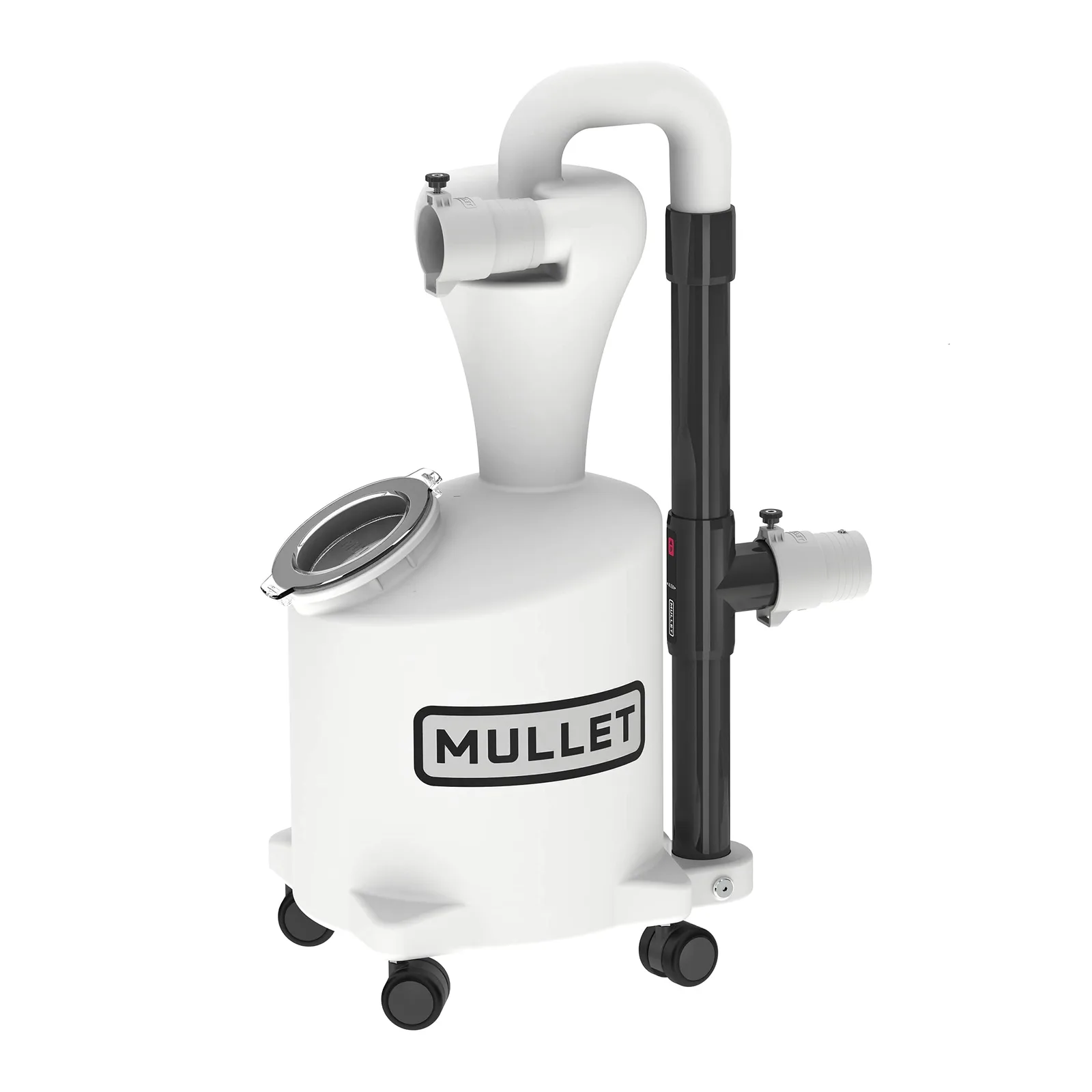
The Mullet High-Speed Cyclone is a compelling premium separator for woodworkers who want a tidy, integrated system instead of balancing a cyclone on stacked buckets. Its rigid frame, built-in five-gallon collection bin, and clear lid address the two chores that make many separator setups frustrating: moving the system and checking when it is full.
Research review — September 5, 2026. We reviewed the current Mullet product documentation and Amazon listing. We have not independently measured separation efficiency, pressure loss, noise, or long-term durability. Manufacturer percentages describe controlled performance, not a guarantee for every hose, vacuum, and material.
Check the Mullet High-Speed Cyclone on Amazon ↗.
The short verdict
Choose the Mullet if you value a cohesive, mobile package and want to avoid building a cart around a loose bucket. Its strongest advantages are the rigid air path, visible fill level, and quick-release bin. It is harder to justify if cost matters more than convenience or if the finished unit is too tall for your planned storage spot.
This separator is for a shop vacuum or dust extractor, not a replacement for a high-volume dust collector. It makes the most sense with sanders, routers, track saws, cleanup tools, and other equipment designed around smaller vacuum hose.
What the design gets right
| Detail | Published or observable design |
|---|---|
| Collection capacity | Integrated five-gallon dump bin |
| Separation claim | More than 99% of dust and debris |
| Mobility | Rigid wheeled frame |
| Fill check | Clear-view lid and translucent bin |
| Connections | Intended for major wet/dry vacuum brands |
The manufacturer's Mullet product page emphasizes a rigid, airtight assembly with no separate bucket lid, gasket stack, or floppy connecting hose in the separator body. That matters because leaks are a common source of disappointing separator performance. A rigid frame also helps keep the cyclone, bin, and vacuum from pulling in different directions when you move the system.
The bin separates from the upper assembly with thumb screws. That is more deliberate than lifting a friction-fit lid, although you still need enough clearance around the unit to remove and empty the container comfortably.
The tradeoffs to check before buying
The Mullet occupies more floor area than a low-profile lid separator placed beneath a bench. Measure the complete system, including the hose loop, rather than only the collection bin. A rigid cart is useful only if it rolls through your shop's narrowest aisle and parks where you expect.
Adapter fit is the other practical question. “Fits most vacuums” does not mean every cuff locks directly into every tool port. List the outside diameter and inside diameter of the vacuum port, tool port, and existing hose cuffs before ordering. Plan every reducer in advance; a series of improvised adapters adds restriction and creates more places for leaks.
Finally, a separator adds resistance. It may keep the filter cleaner and preserve suction longer, but it cannot increase the vacuum's original airflow. Use the shortest practical hose and avoid sharp bends.
Mullet versus a bucket-top separator
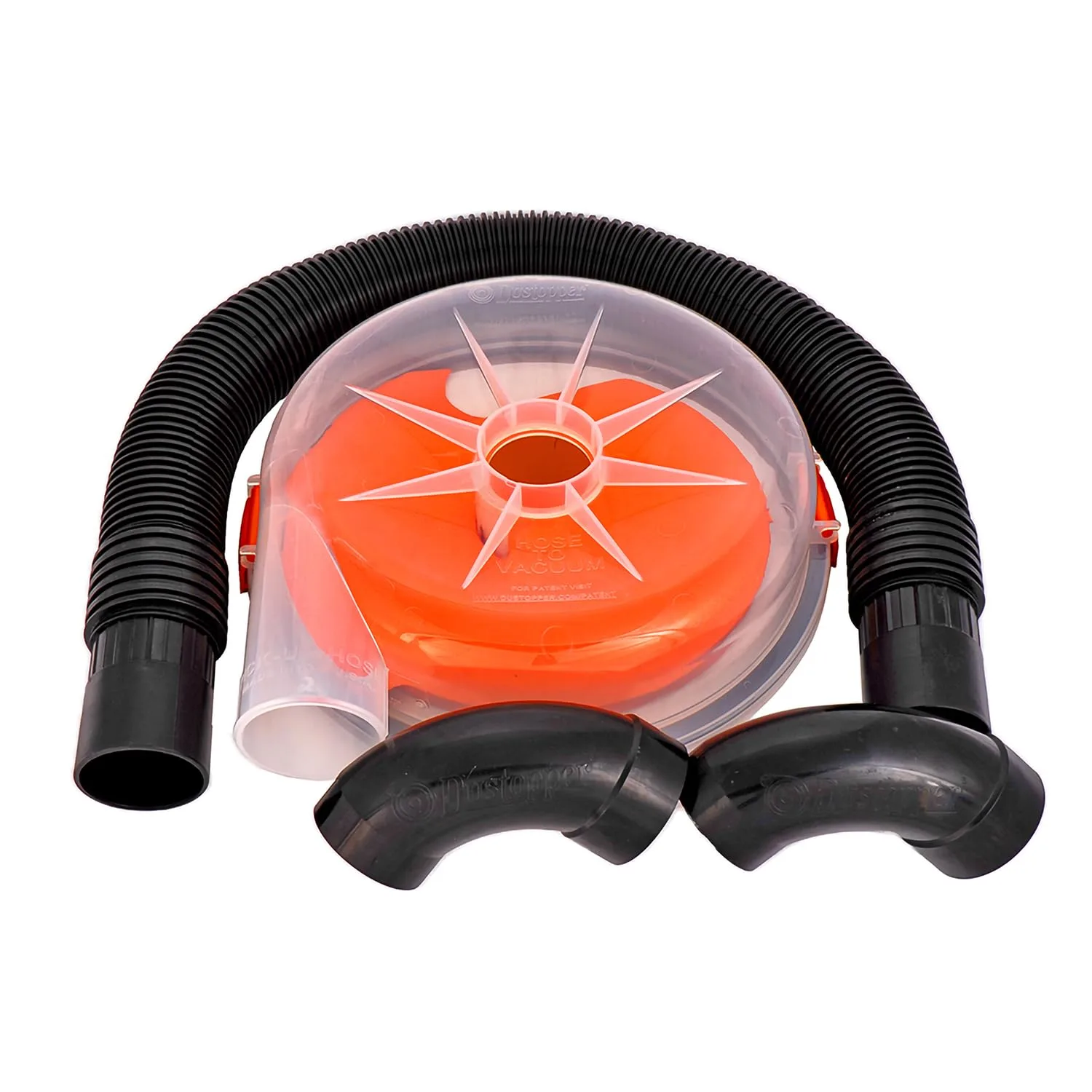
A Dustopper PRO is the better shape for an under-bench system. A Dust Deputy 2.5 gives a DIY builder more control over the collection container, while the Rockler Dust Right Separator emphasizes ten-gallon capacity. The Mullet's case is convenience: the cart, cyclone, and bin are designed as one unit.
That makes it particularly attractive in a shop where the separator follows portable tools. If the system will never move, a simpler fixed installation may deliver the same core benefit for less money.
Setup priorities
- Confirm that the inlet hose runs from the tool to the cyclone and the outlet runs from the cyclone to the vacuum.
- Seat every cuff fully and check the complete path for leaks.
- Keep the collection bin below its maximum fill level. Material pulled back into the cyclone can reduce separation and reach the vacuum filter.
- Inspect the vacuum filter even when the bin catches most debris. Fine dust can still pass through.
- Follow the vacuum manufacturer's rules for hazardous dust. A separator does not turn an ordinary shop vacuum into a certified dust extractor.
Who should buy it?
Consider the Mullet if you want a ready-made mobile separator, use vacuum-compatible woodworking tools frequently, and place a high value on clean handling. Choose a different format if you need the lowest possible profile, already own a suitable airtight bin and cart, or primarily collect from a planer or jointer with a four-inch port.
Will it work with a table saw?
It can help when the saw is designed for shop-vacuum extraction, especially at a blade guard or compact saw port. A cabinet saw that requires high airflow through a four-inch connection generally belongs on a true dust collector. Use our dust collector sizing calculator to distinguish those jobs.
Does it eliminate filter cleaning?
No. Pre-separation can dramatically reduce the material reaching a filter, but seals, very fine dust, overfilled bins, and hose configuration affect results. Keep following the vacuum's inspection and cleaning instructions.
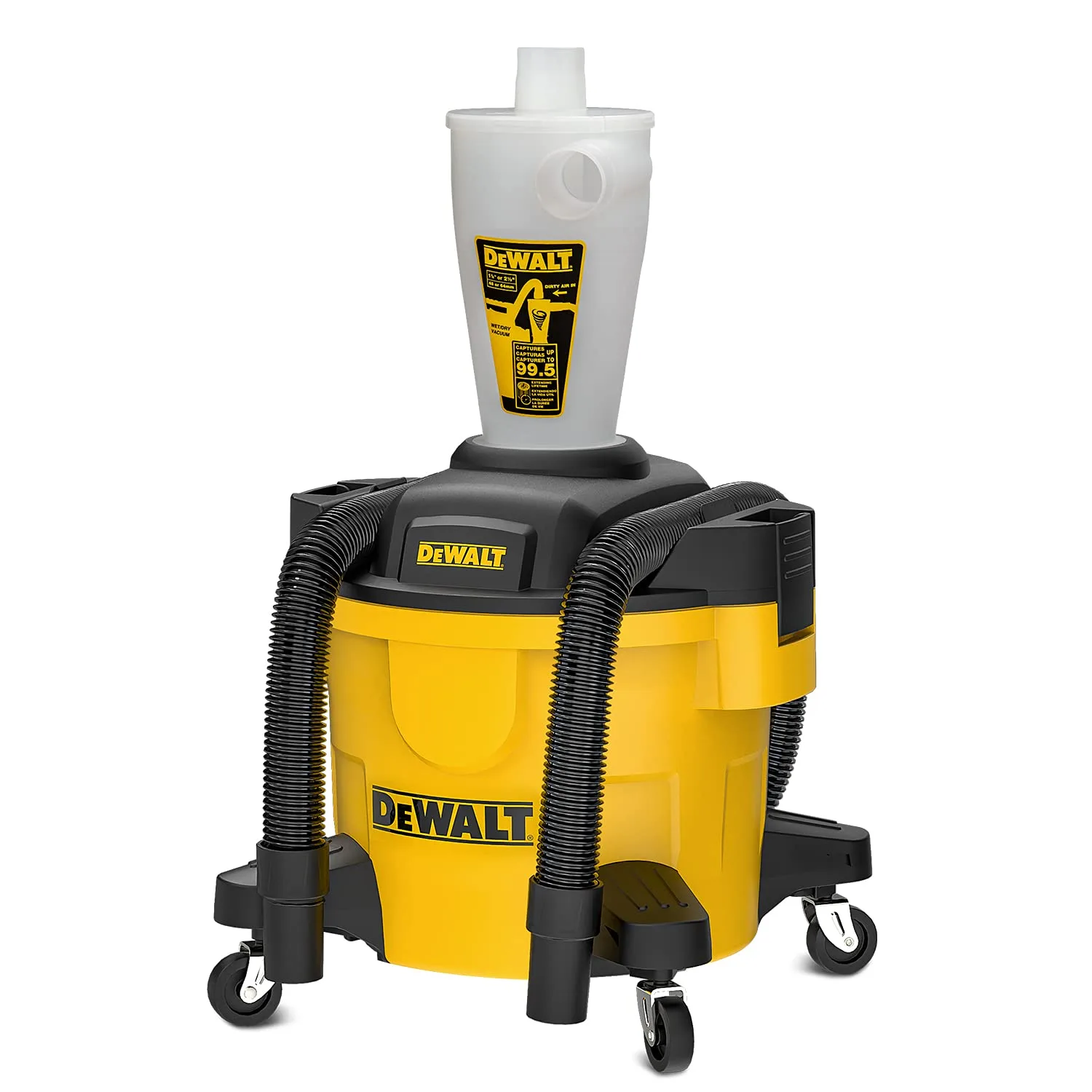
View the current Mullet listing on Amazon ↗, compare it with the DEWALT DXVCS002, or start with our complete woodworking dust collection guide. The featured product image matches the Amazon listing for ASIN B095HYZT38; verify the selected variation before ordering.